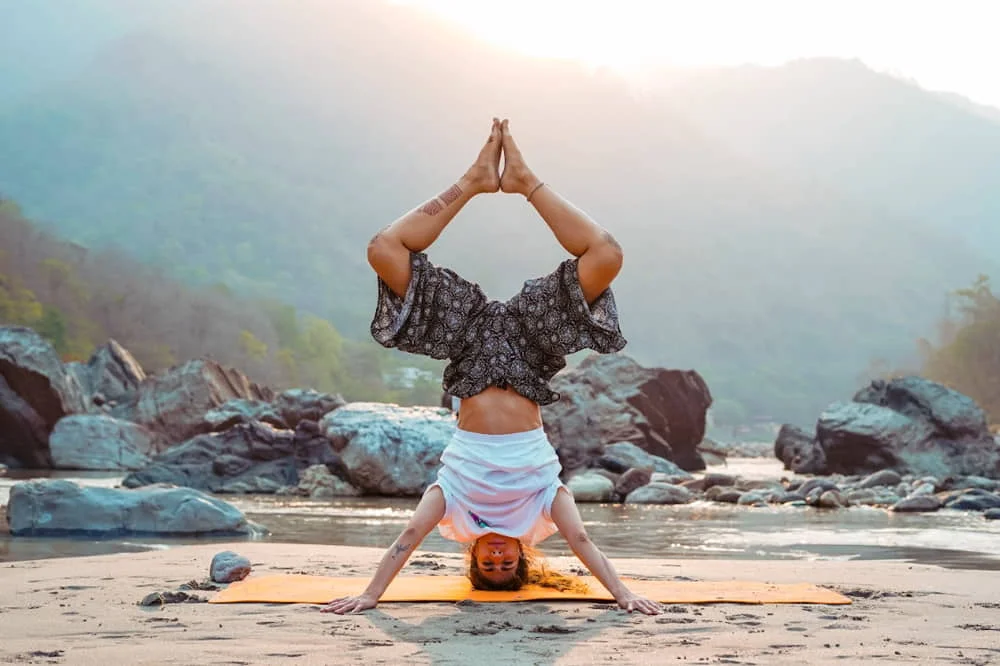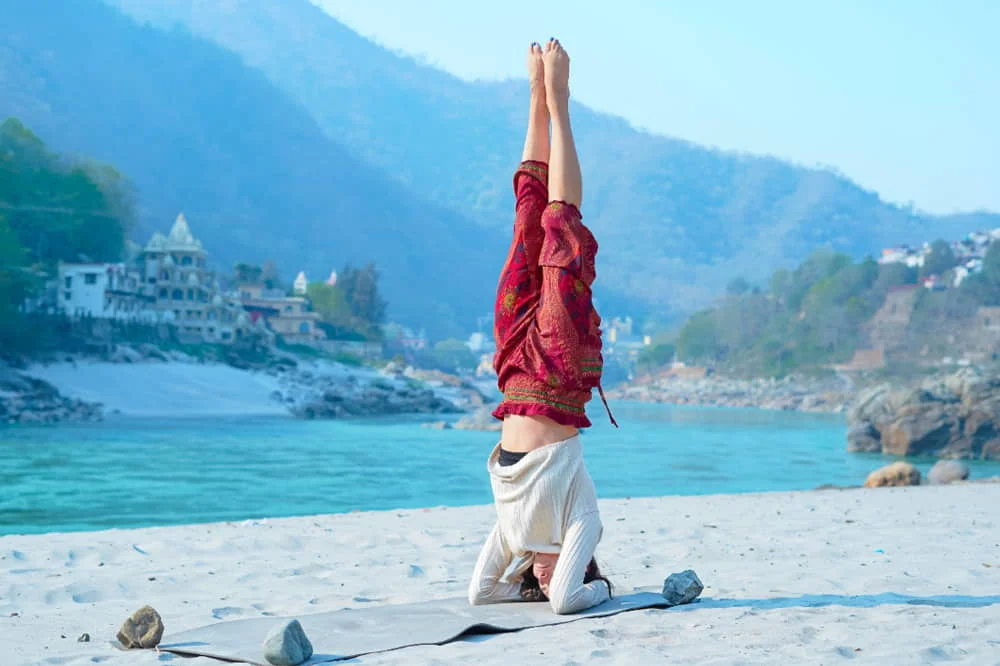
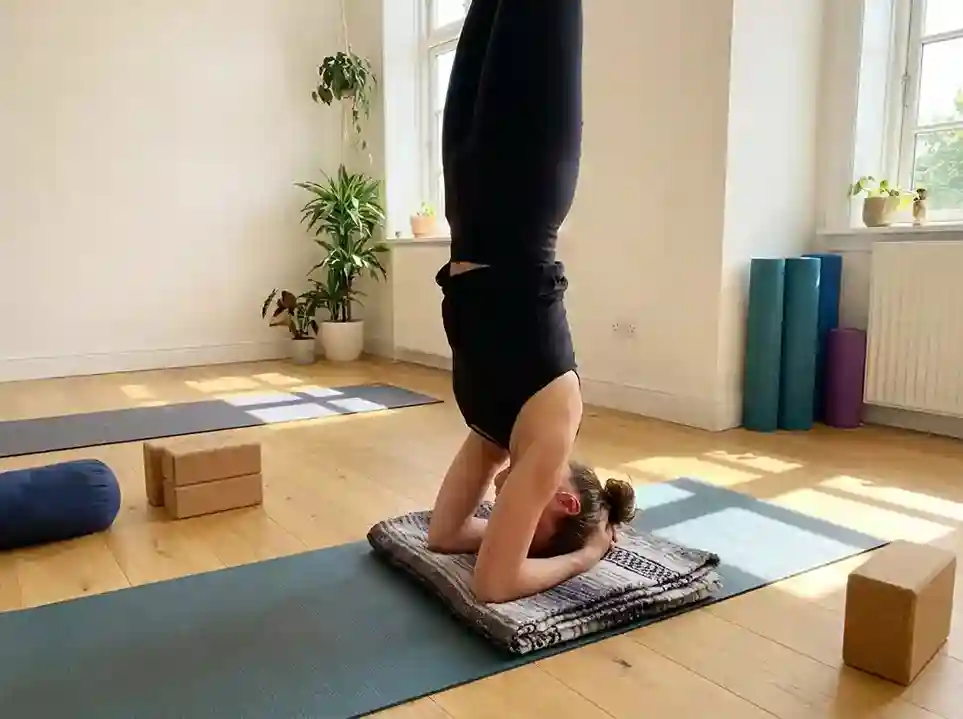
Shirshasana, or Headstand Pose, is a powerful and effective yoga pose. In Sanskrit the word “Shirsha” means “head,” and the word “asana” signifies “pose” or “posture.” In the headstand pose, the body is turned upside down, and the legs are held vertically upward. In yoga, Yoga practitioners call this pose the ‘King of Asanas’ because it affects both the body and the mind in an important way.
Regular practice of Shirshasana improves blood circulation and increases oxygen supply to the brain. This improves mental concentration, memory, and power of attention. Furthermore, this asana helps strengthen the shoulders, arms, and spine. Initially, you should practice this asana under expert guidance. Regular practice of shirshasana energizes the body, reduces stress, and improves health.
Benefits of Shirshasana
The headstand yoga pose is known as the “King of Asanas” in yoga because it offers a wide range of benefits to both the body and the mind. Regular practice of Shirshasana develops balance, strength, and mental peace in the body.
- Increases Blood Circulation in the Brain—Performing Shirshasana improves blood circulation to the brain by increasing oxygen supply.
- Enhances Body Balance and Strength—This pose strengthens the muscles in the shoulders, arms, neck, and torso. Regular practice of this pose improves the balance of the body.
- Helpful in Reducing Stress and Anxiety—This pose calms the mind. It can reduce stress, anxiety, and mental fatigue.
- Improves the Digestive System—Regular practice of Shirshasana improves the digestive system by stimulating the digestive organs.
- Increases Energy and Vitality—This pose circulates the flow of energy in the body. It reduces fatigue. Regular practice of this pose makes the body feel active.
How to Do Shirshasana Step by Step
Shirshasana is an advanced yoga pose; therefore, it is essential to perform it with the correct technique and caution. Follow these steps to perform Shirshasana:
- Sit in Vajrasana or kneel.
First, kneel down on a yoga mat and keep your body still.
- Place your hands on the ground.
Interlock the fingers of both hands and place them on the ground. This will create a strong base.
- Place your head on the ground.
Gently place the crown of your head on the ground, positioned between your hands. Use your hands to give support to your head.
- Lift your hips.
Now, slowly lift your hips upward and try to balance your body by walking your feet towards your head.
- Lift your legs.
Once you have balanced your body, slowly lift your legs upward
- Keep your body straight.
In this position, keep your body straight and continue breathing normally. Initially, hold the pose for 10–20 seconds.
- Come back slowly.
To come out of the pose, slowly lower your legs and sit in Balasana (Child’s Pose) to rest.
Precautions and Safety Tips for Practicing Headstand Pose
- Beginners Should Use a Wall for Support
Use a wall for support if you are a beginner while practicing the Shirshasana. This will help you maintain balance and prevent any accidents.
- Practice on an Empty Stomach
Practice Shirshasana on an empty stomach or at least 3-4 hours after a meal. In this way, the body will be able to do the asana with ease.
- Do not place excessive pressure on the neck.
While practicing the Shirshasana, do not place your entire body weight on your head and neck. You should try to maintain balance with the support of your shoulders.
- Learn under the supervision of an expert.
Practice the Shirshasana under the supervision of an expert.
- Avoid in Health Problems
If you have high blood pressure, neck pain, headaches, or eye problems, then it is better to consult a doctor or a yoga expert before practicing the Shirshasana.
- Start with short durations.
While practicing the Shirshasana for the first time, you should try to practice it for only 10-15 seconds.
- Maintain Normal Breathing
While practicing the Shirshasana, breathe deeply and normally. It will give stability and relaxation to your body.
- Slowly Lift Your Body
Instead of suddenly lifting your legs, it is important to slowly lift your body while maintaining your balance. It will prevent you from falling.
- Keep Your core and shoulders strong
To maintain the balance of your body, it is important to keep your core muscles, shoulders, and arms strong.
- Rest After Practice
After performing the Shirshasana pose, it is important to rest for some time in the Child Pose or Shavasana so that the body can return to its normal state.
Who Should Avoid Shirshasana
- People with high blood pressure
- People suffering from neck injuries
- Those with glaucoma or eye problems
- Pregnant women
- Beginners without guidance
Anatomy of Shirshasana (Headstand Pose)
While one is holding the Shirshasana posture, muscles and joints work together to balance the body.
Muscles Involved
- Shoulders: These muscles help in the support of the body’s weight and balance the body.
- Arms: These muscles help support the body and maintain balance
- Core Muscles (Abdominal and Lower Back Muscles): These play an important role in helping to balance the posture.
- Upper Back: This helps to support body alignment.
- Leg Muscles (Thighs and Legs): This helps to maintain the body in an upright position and balance the body.
Joints Involved
- Neck Joint: This area helps to maintain the body in an upright position.
- Shoulder Joint: This plays an important role in supporting the body’s weight.
- Hip Joint: This helps in maintaining the body in an upright position.
Variations of Shirshasana
Shirshasana is a complex yoga pose, and there are several variations of this pose. By practicing these different types of variations, the balance, strength, and flexibility of the body are increased. Some of the important variations of the Shirshasana pose are as follows:
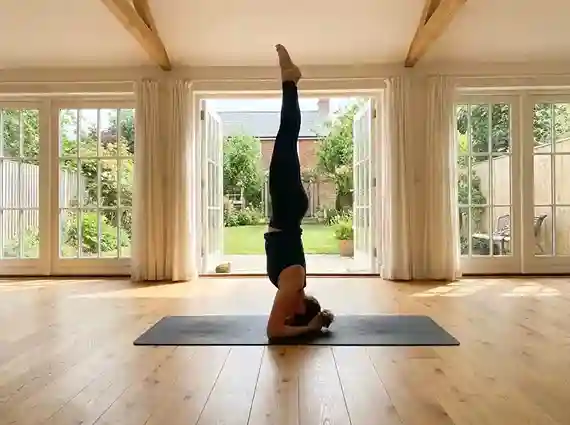
Salamba Shirshasana (Supported Headstand)
It is the most common and traditional form of the Shirshasana pose. In this pose, the fingers of both hands are intertwined to support the back of the head. In addition to this, the body rests on the head. In the Shirshasana pose, the balance of the body is maintained by the arm, shoulder, and abdominal muscles.
This is the basic form of the Shirshasana pose, and most yoga practitioners start their practice from here.
Tripod Shirshasana (Tripod Headstand)
The tripod headstand is a pose where the head and hands are placed on the ground, forming a triangle. In the tripod headstand, the hands of the person performing the pose are not locked, and the palms of the hands are placed directly on the ground.
The tripod headstand pose helps to build the strength of the shoulders, arms, and trunk. This pose of yoga is said to be a good practice for building balance.
Eka Pada Headstand Pose
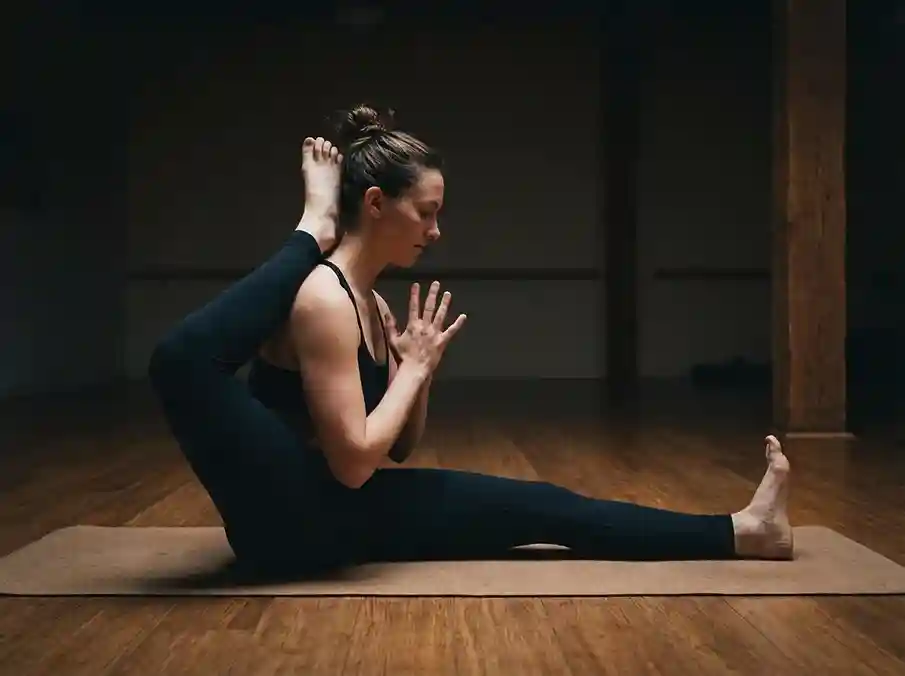
In this variation, while in the Shirshasana position, one leg remains straight upward, and the other leg is slowly lowered. This asana challenges the body’s balance and helps enhance the practitioner’s concentration. Its practice also increases the strength of the legs and core muscles.
Padmasana Shirshasana (Lotus Headstand Pose)
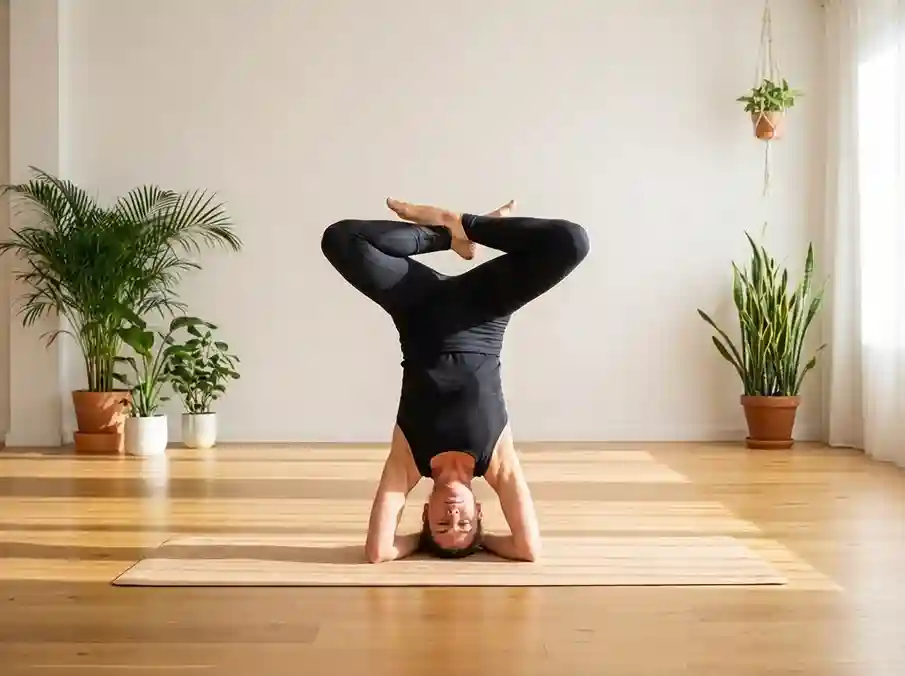
In this variation, while in the Shirshasana position, the legs are interlaced into Padmasana (Lotus Pose). This is an advanced-level practice and should be performed only when the practitioner is able to maintain a steady balance in Shirshasana. This asana imparts stability to the body and deep concentration to the mind.
Baddha Hasta Shirshasana
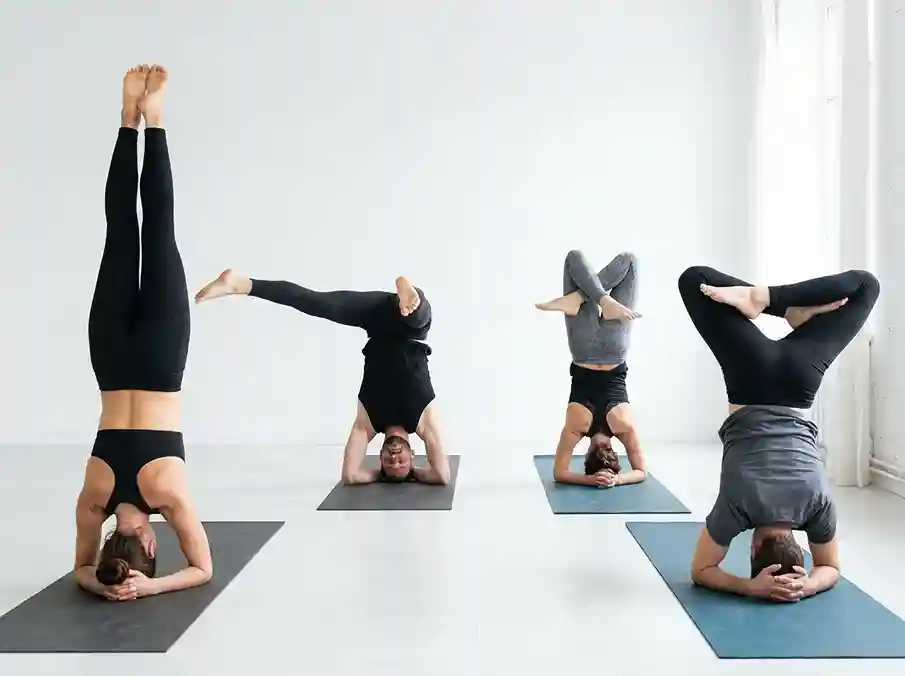
In Baddha Hasta Shirshasana, the positioning of the hands is distinct, and this variation uses more shoulder and arm strength. This variation helps improve body control and stability.
About Mira Yogashala
Mira Yogashala offers transformative “Yoga Teacher Training Courses in Rishikesh” for beginners as well as experienced yoga enthusiasts. The “Yoga Teacher Training Courses in Rishikesh” are conducted in a tranquil environment in Rishikesh. The “Yoga Teacher Training Courses in Rishikesh” provide in-depth knowledge in traditional yoga practices as well as contemporary methodologies. Whether you are an individual seeking to enhance your knowledge or an aspiring yoga teacher, Mira Yogashala is the right place for you.
Courses Offered:
- 100 Hour Yoga Teacher Training in Rishikesh
- 200 Hour Yoga Teacher Training in Rishikesh
- 300 Hour Yoga Teacher Training in Rishikesh
- 500 Hour Yoga Teacher Training in Rishikesh
Conclusion
Shirshasana, or the Headstand Pose, is one of the most powerful and beneficial yoga asanas. This yoga pose is also known as the “King of Asanas.” Regular practice of the headstand pose helps improve blood circulation and strengthen the shoulders, arms, and abdominal muscles, as well as improve balance and concentration.
This inversion yoga pose may also lead to mental relaxation and reduce stress levels when performed correctly and with proper breathing techniques.
However, as the headstand pose is an advanced yoga pose, it must always be performed carefully and correctly. Therefore, beginners must practice the headstand pose slowly and carefully, along with the guidance of a yoga instructor. With the regular practice of the headstand pose, the yoga pose may become a valuable part of a healthy yoga routine, thereby improving physical as well as mental well-being.