What is Yoga Nidra?
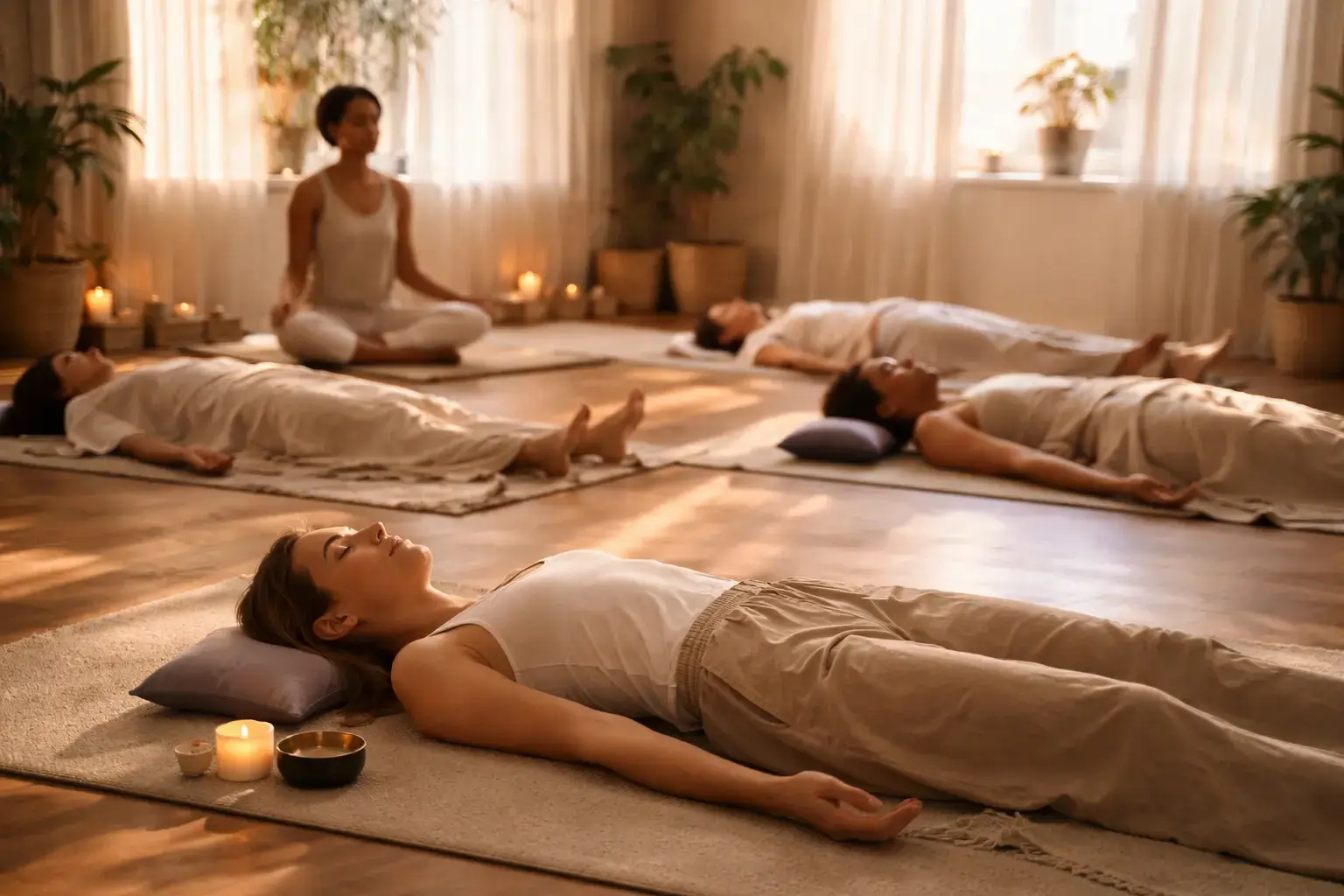
Yoga Nidra is a yogic practice of deep relaxation and meditation. It is called “Yogic Sleep.” It is a state when the body is in a state of complete relaxation and the mind is fully alert. This relaxation technique is practiced by lying down in a comfortable position. While practicing yogic sleep, one is supposed to be aware of one’s body, breath, and mind. This practice helps to deeply calm the body and mind and is helpful in reducing mental stress.
Regular practice of yogic sleep meditation can bring mental peace, increase concentration, and improve sleep quality. It is considered a highly beneficial practice for people who are under stress, anxious, and tired. When performed properly, yoga Nidra harmonizes the energy in the body and brings the mind to a state of deep relaxation. Therefore, in today’s busy life, it is considered a highly effective yoga practice.
Meaning of Yoga Nidra
The meaning of Yoga Nidra is made up of two Sanskrit words—”Yoga” and “Nidra.” Here, “yoga” means “union,” while “nidra” means “sleep.” Therefore, Yoga Nidra is generally understood to mean “yogic sleep” or “a state of conscious relaxation.” In this state the body is in a deep state of relaxation, but the mind remains fully aware. This is why it is considered an effective yogic practice for deep meditation and mental peace.
Sanskrit Shlok
या देवी सर्वभूतेषु निद्रा रूपेण संस्थिता।
नमस्तस्यै नमस्तस्यै नमस्तस्यै नमो नमः ॥
Meaning:
The meaning of the above verse is that we always pay respect to the divine power that exists in the form of sleep in every living being. This verse also tells us that sleep and deep rest are also considered sacred.
Benefits of Yoga Nidra Meditation
- Relieves stress and anxiety: Yogic sleep meditation provides deep relaxation to the mind and body. Regular practice of yoga nidra meditation helps relieve stress and anxiety.
- Better sleep: Yoga Nidra meditation provides deep relaxation to the body and the mind. Regular practice of yoga helps in improving sleep quality. It is especially beneficial for people who suffer from insomnia or sleep problems.
- Increases concentration—This technique helps in increasing concentration. Regular practice of deep relaxation meditation helps in increasing concentration. This helps in maintaining a stable and concentrated mind. This helps in concentrating on studies and work.
- Brings the body into a deep relaxation—While practicing yogic sleep meditation, the entire body gets relaxed. This helps in relaxing the entire body. A feeling of new energy is felt in the body.
- Maintains mental and emotional stability—Regular practice of yogic sleep helps in maintaining a stable and calm mind. It helps in maintaining emotional stability and a positive mental state.
How to Practice Yoga Nidra Step by Step
- First of all, sit comfortably in a quiet place.
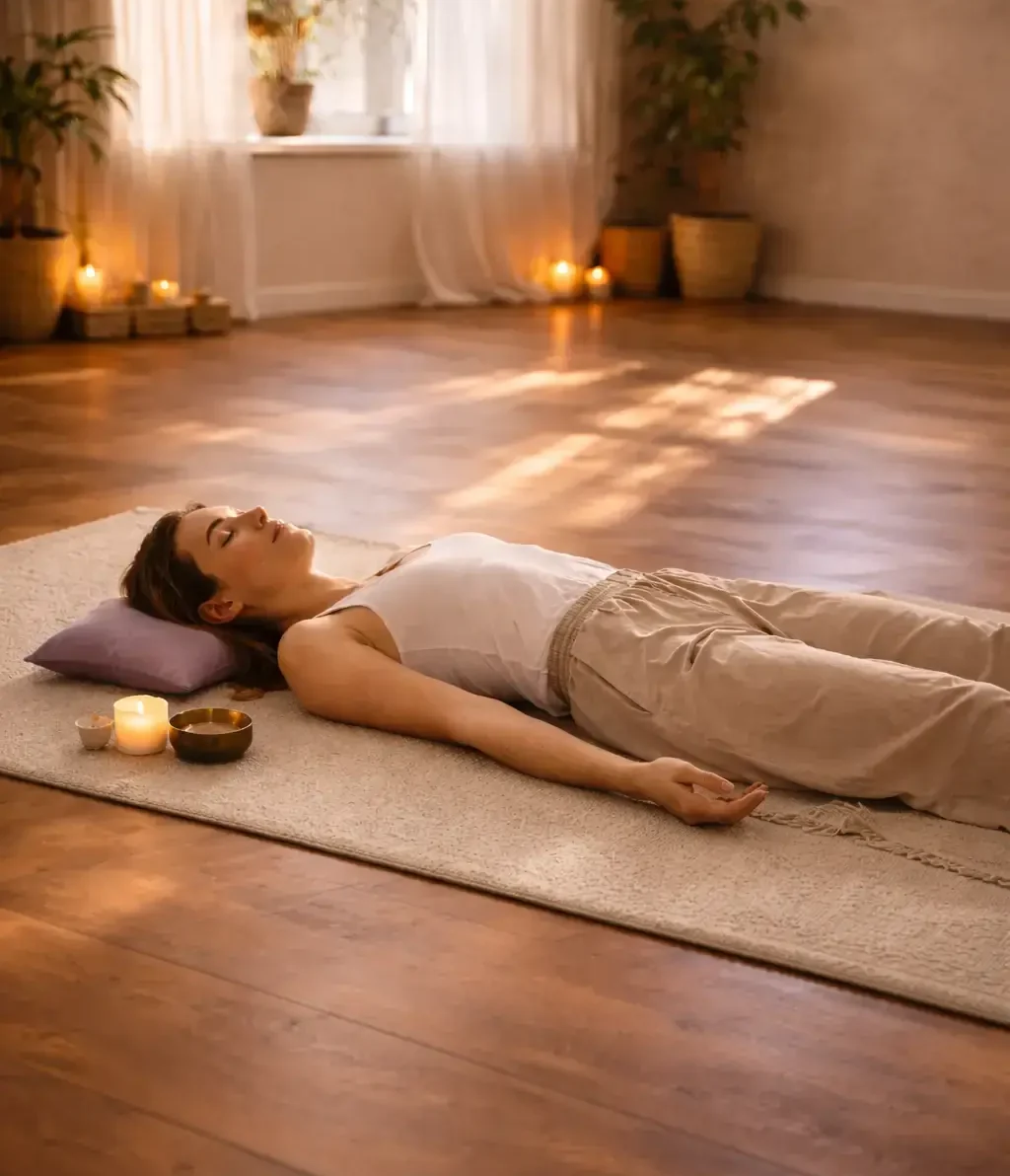
- Now, lie flat on your back with your hands a little ways away from your body. Keep your legs relaxed and slowly close your eyes.
- Take a few minutes and focus on the normal flow of your breath. Normal, deep, and slow breathing will gradually calm down both your body and mind.
- Next, focus on each and every part of your body, like your feet, knees, stomach, chest, hands, and head. This allows your body to completely relax.
- During Yoga Nidra, try to keep your body relaxed but your mind alert. Instead of holding onto any thoughts, let them come and go.
- Slowly bring your attention to your breathing, move your hands and legs, and open your eyes. This will allow you to end your Yoga Nidra practice calmly.
Best Time to Practice Yogic Sleep Meditation
Yoga Nidra meditation can be practiced at any time, but there are certain times when its effects are considered to be better. Doing yoga nidra at the right time provides deep relaxation to the body and mind and also makes meditation easier.
Morning time
Morning time is considered very good for yoga nidra meditation. At this time the environment is calm and the mind is fresh, which makes it easier to meditate. Practicing in the morning can keep the mind calm and energetic throughout the day.
Afternoon or after work
If you feel tired after working all day, you can also practice yoga nidra in the afternoon or evening. This relaxes the body and can reduce mental stress.
Before going to sleep at night
Doing Yoga Nidra meditation before going to bed at night can calm the mind and improve the quality of sleep. It is especially beneficial for people who have difficulty sleeping.
Tips for Practicing Yoga Nidra Effectively
- Find a quiet place—always practice yogic sleep in a quiet and comfortable place to avoid distractions.
- Practice at a regular time—practicing yogic sleep at the same time every day will help the mind and body relax quickly.
- Relax the body completely—avoid any tension in the body while practicing yoga nidra and keep the body relaxed.
- Focus on your breathing—breathe slowly and naturally; this will relax the mind.
- Use guided audio—listening to guided yoga nidra meditation will be helpful for the beginner to learn yoga nidra easily.
- Be patient and consistent—only regular practice will allow the practitioner to enjoy the full benefits of the yogic sleep relaxation technique.
Precautions to Follow During Yogic Sleep Practice
- Lie down in a comfortable position—use a yoga mat or blanket to completely relax your body and lie down properly in Shavasana.
- Avoid practicing on a very full stomach—practicing Yoga Nidra immediately after a heavy meal can be uncomfortable.
- Avoid extremely cold or uncomfortable places—your body temperature may drop during practice, so cover yourself with a light blanket if necessary.
- Be careful if you have body pain or injury—if you have any injury or serious health problem, it is best to consult a specialist before practicing.
- Avoid falling asleep—during yogic sleep, the body remains relaxed, but try to keep your mind alert.
Conclusion
Yoga Nidra is a powerful meditation that enables both the body and mind to attain a state of deep relaxation. The meditation technique allows the individual to relax their body, calm their mind, and attain inner balance. Yoga Nidra is a yogic relaxation technique that can help an individual attain inner peace, relaxation, and well-being if practiced regularly.
In today’s busy and stressful lifestyle, it is very common for people to experience a lot of stress, anxiety, and other health-related problems. Yoga Nidra is a meditation technique that can bring a lot of health benefits if practiced regularly for 20-30 minutes a day. The meditation technique helps the individual relax their body while keeping their mind peaceful. Thus, by practicing Yoga Nidra regularly and patiently, it can be a part of a healthy lifestyle that helps an individual attain inner peace, relaxation, and well-being.
Join Mira Yogashala’s Yoga Courses today
Mira Yogashala is one of the best yoga schools located in Rishikesh, the capital of yoga. It offers a wide range of yoga courses and provides all the necessary amenities during these courses, including three meals a day of sattvic nutrition and comfortable rooms (private or shared) according to your choice. During these courses you get to learn many yoga postures and techniques. We offer multiple yoga and retreat courses, like