Introduction to Mantras:
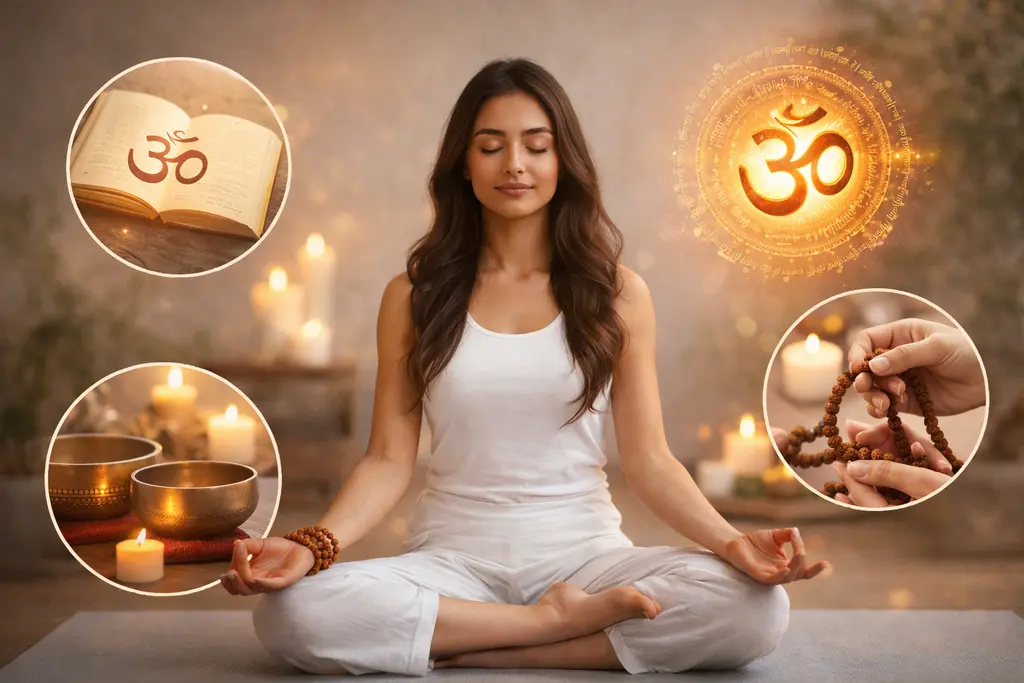
People chant mantras—a sacred word or sound—repeatedly to gain meditation, peace, and spiritual power. The purpose of mantras is to focus the mind, remove negative thoughts, and create balance between the mind, body, and soul. People commonly recite it aloud or chant it silently during meditation, yoga, and prayer.
In today’s stressful life, the use of mantras is very beneficial. Daily chanting of mantras reduces stress and anxiety. It calms the mind and improves concentration. The sound waves of mantras have a positive effect on our brain and nervous system, leading to a feeling of inner peace. This strengthens our inner energy and improves our mental and physical health.
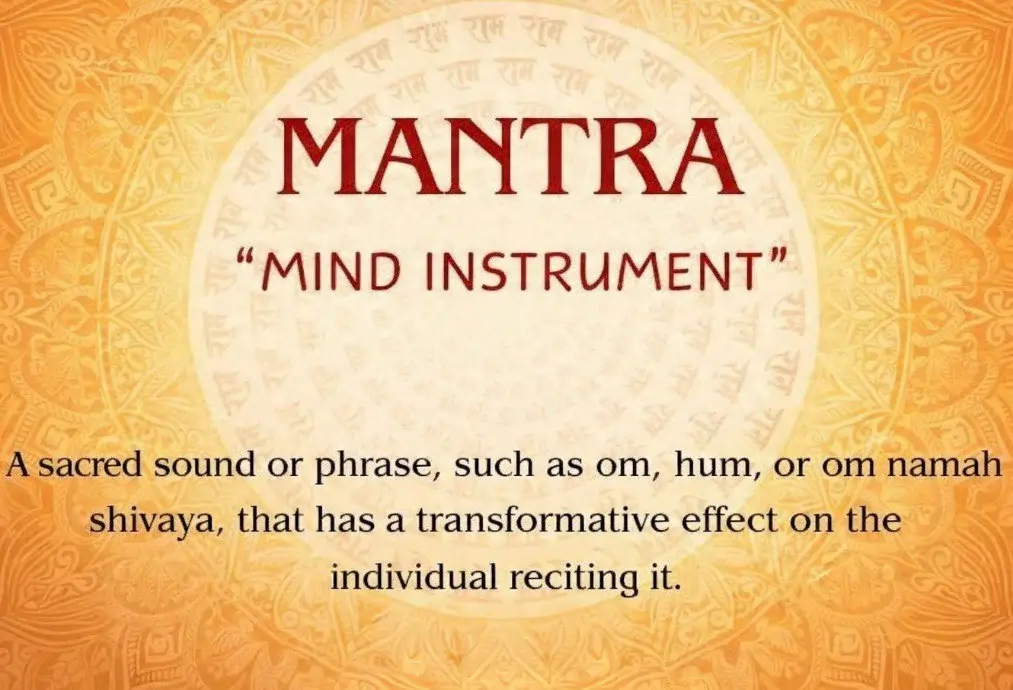
Meaning of Mantra (Definition):
The word ‘mantra’ combines two words—‘man,’ meaning mind, and ‘tra,’ meaning protection or liberation. Therefore, a mantra is that which liberates the mind from its bondage.
In Sanskrit, people form the word ‘mantra’ from two words.
- ‘Man’ means mind or thought
- ‘Tra’ means to protect or liberate
This means that “it protects our mind and thoughts” or “frees the mind from limitations.”
The word “mantra” means a sound that protects against negative thoughts.
Origin and History of Mantras:
People believe that mantras originated in ancient India, with the Vedas as their primary source. They find the oldest mantras in the Rigveda. The sages and ascetics experienced these mantras in a state of meditation and penance and gave them their present form.
In the Vedic period, mantras held a very important place. People did not limit the use of mantras to religious ceremonies; they connected them to every aspect of life. During that time, people considered Yajna (fire sacrifice) the main religious ritual. In Yajna, priests chanted special mantras while offering oblations into the fire to please the gods and maintain balance in nature. Along with this, people praised deities such as Indra, Agni, Varuna, and Surya through mantras. Furthermore, during the Vedic period, people believed that chanting mantras made it possible to exchange thoughts with God.
At Meera Yogshala, mantra practice is considered an integral part of meditation and yoga, where each mantra is taught with emphasis on correct pronunciation and heartfelt devotion. Chanting mantras in a calm and spiritual environment calms the mind and awakens inner energy. Here, the confluence of mantras, meditation, and yoga guides practitioners towards profound spiritual experiences.
About Mira Yogashala:
Mira Yogashala is a renowned and trusted yoga institute located in Rishikesh, known for teaching traditional yoga knowledge with experience. Special attention is given to Hatha Yoga, Ashtanga Yoga, Pranayama, meditation, and yogic lifestyle by experienced and Yoga Alliance-certified teachers. Facilities like a peaceful and natural environment, a location near the Ganges, sattvik and pure food, private and shared accommodation, free excursion trips, and an internationally recognized certificate after course completion provide students with a fulfilling and soulful yoga journey.
- 100-Hour Yoga Teacher Training Course in Rishikesh
- 200-Hour Yoga Teacher Training Course in Rishikesh
- 300-Hour Yoga Teacher Training Course in Rishikesh
- 500-Hour Yoga Teacher Training Course in Rishikesh
The Power of Mantras in Yoga and Meditation:
Mantra plays an important role in yoga. When we chant a mantra, the sound waves produced affect the cells of our body and the neurons in our brain, which helps reduce stress and calms the mind. The continuous chanting of mantras increases the flow of positive energy in the body. Mantras balance the life force in the body, making the person feel more active and energetic.
By chanting the mantra, the mind becomes concentrated or calm during yoga practice, making it easy to attain the state of meditation. Mantras are used during meditation because they help to focus the mind on a single point. When we chant a mantra, wandering thoughts gradually subside and the mind becomes concentrated. Chanting mantras balances the breathing rate, which brings deep peace to both the body and mind.
Types of Mantras:
1. Bija Mantras or Seed Mantras:
Bija Mantra is a mantra that contains the fundamental energy of a deity or element. They directly influence the mind and energy centers. Some important seed mantras:
- ॐ (Om)—Ultimate Truth (Brahman)
- ह्रीं (Hreem) – Goddess Power
- श्रीं (Shreem) – Lakshmi, Prosperity
- क्लीं (Kleem) – Attraction and Love
2. Vedic Mantras:
Vedic mantras consist of verses taken from the Vedas. Sages and ascetics received these mantras through meditation and penance. People use them in worship, rituals, fire sacrifices, and spiritual practices. The main Vedas and their mantras:
- Rigveda—Hymns of praise to the gods (Indra, Agni,)
- Yajurveda—Mantras for rituals and ceremonies
- Samaveda—Chanted mantras (musical)
- Atharvaveda—Mantras related to life, health, and protection
Some Vedic mantras are Gayatri Mantra, Agni Mantra, the Soma Mantra, etc.
3. Saguna Mantras:
Saguna mantras are those mantras in which God is in physical form (like Shiva, Vishnu, Ram, or Krishna). In these, the devotee worships a particular deity, to whom devotion is felt. These mantras are easy to chant, which makes them suitable for ordinary people. Some Saguna Mantras:
- Om Namah Shivay – Lord Shiva
- Om Namo Narayana – Lord Vishnu
- Ram Ramay Namah – Lord Ram
- Om Durgaayi Namah – Goddess Durga
4. Nirguna Mantras:
Nirguna mantras are those mantras in which God is remembered without any form or name. These mantras are based on the formless and attributeless nature of the ultimate reality (Brahman). These mantras are associated with the path of knowledge and meditation. Some nirguna mantras:
- सोऽहम (So’ham) – I am He
- अहं ब्रह्मास्मि (Aham Brahmasmi) – I am Brahman
- ॐ (Om)
5. Meditation Mantras:
Meditation mantras are mantras that are used during meditation to calm and focus the mind. These mantras are simple and easy to repeat. Example of meditation mantras:
- Om—The most powerful meditation mantra
- Shanti, Shanti, Shanti—for mental peace
- So’ham – Chanting with the breath
- Ram Ram—to stabilize the mind
Benefits of chanting mantras:
Mantra chanting is an ancient practice aimed at balancing the mind, body, and soul. Regularly chanting mantras offers numerous benefits.
1. Mental Benefits of Mantras
- The sound waves of mantras directly affect the brain, which calms the mind.
- Reduces stress and anxiety
- Enhances memory and concentration
- Helps in getting rid of negative thoughts.
2. Physical Health of Mantras
- Heart rate or blood pressure remains balanced.
- It boosts immunity by reducing stress hormones.
- The lungs become stronger, and oxygen flows more efficiently.
- The muscles of the body get relaxed.
3. Emotional Benefits of Mantras
- Chanting mantras reduces anger, fear, and stress.
- Increase positivity and self-confidence.
- Balances emotions and mood swings
- Chanting mantras increases the ability to be patient.
4. Spiritual Benefits of Mantras
- The continuous chanting of mantras purifies the soul.
- Chanting mantras established our connection with God.
- Reciting with devotion can lead to deeper meditation.
- Chanting mantras purifies one’s actions.
Common mantras and their meanings:
1. OM Mantra:
People chant Om to calm the mind and consider it a medium for connecting the soul with the supreme consciousness and God.
2. Gayatri Mantra
The Gayatri Mantra is considered a symbol of intelligence, knowledge, and wisdom. This mantra helps in purifying and calming the mind.
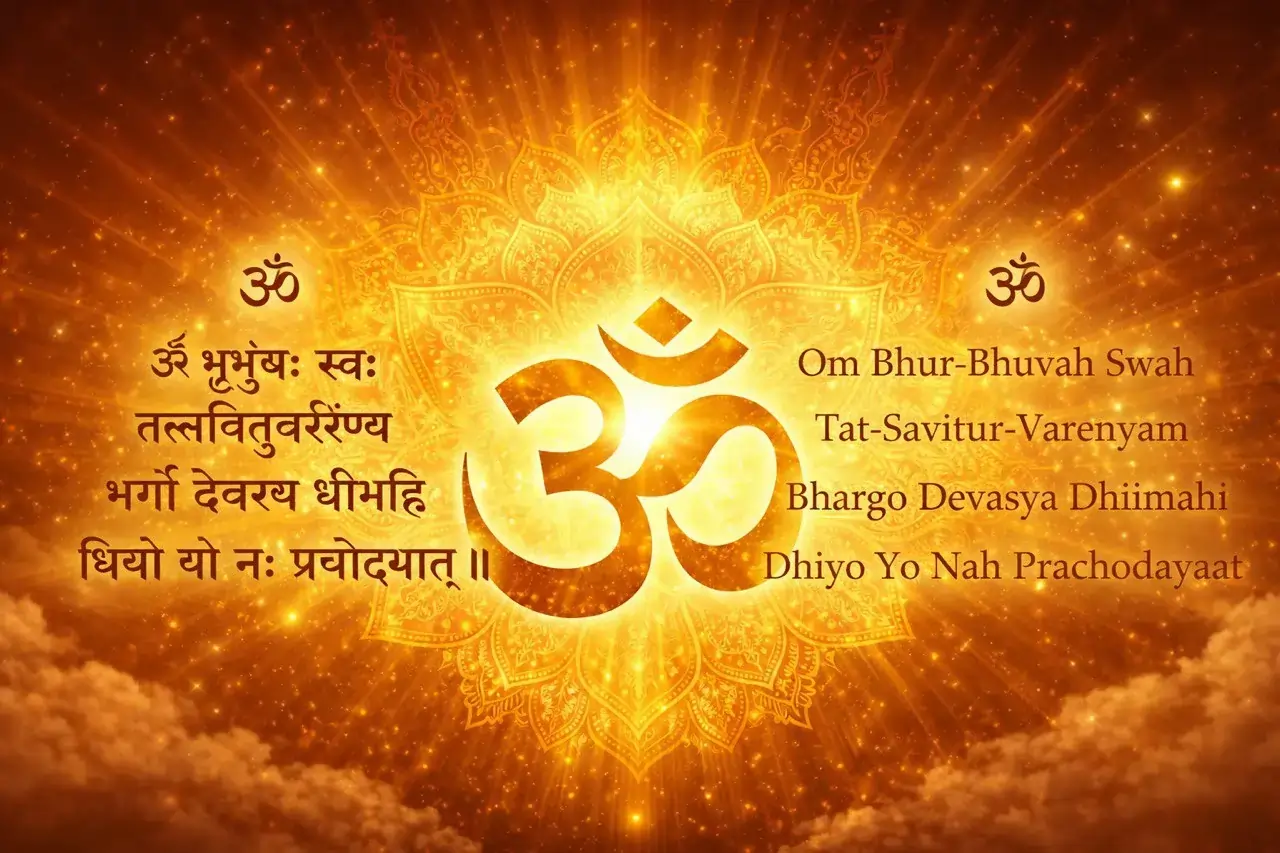
Gayatri Mantra Meaning
“O God!
Grant us wisdom.
purify our thoughts,
and guide us on the path of truth and knowledge.”
3. OM Namah Shivay
This mantra is used to attain peace of mind and to surrender to God by relinquishing ego.
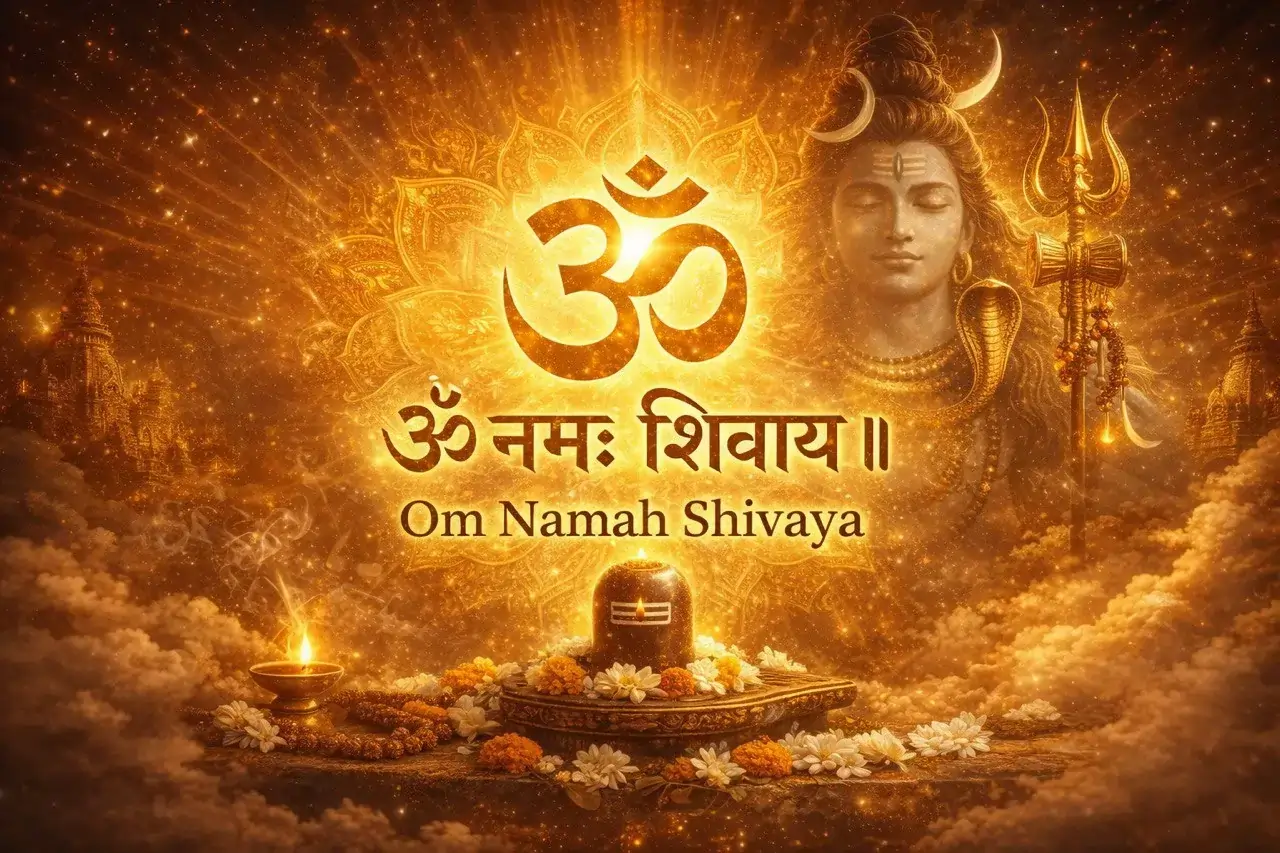
Om Namah Shivay Meaning:
“I bow down to Lord Shiva and take refuge in him.”
4. Mahamrityunjaya Mantra
The Mahamrityunjaya mantra is considered to be a disease-curing and fear-removing mantra.
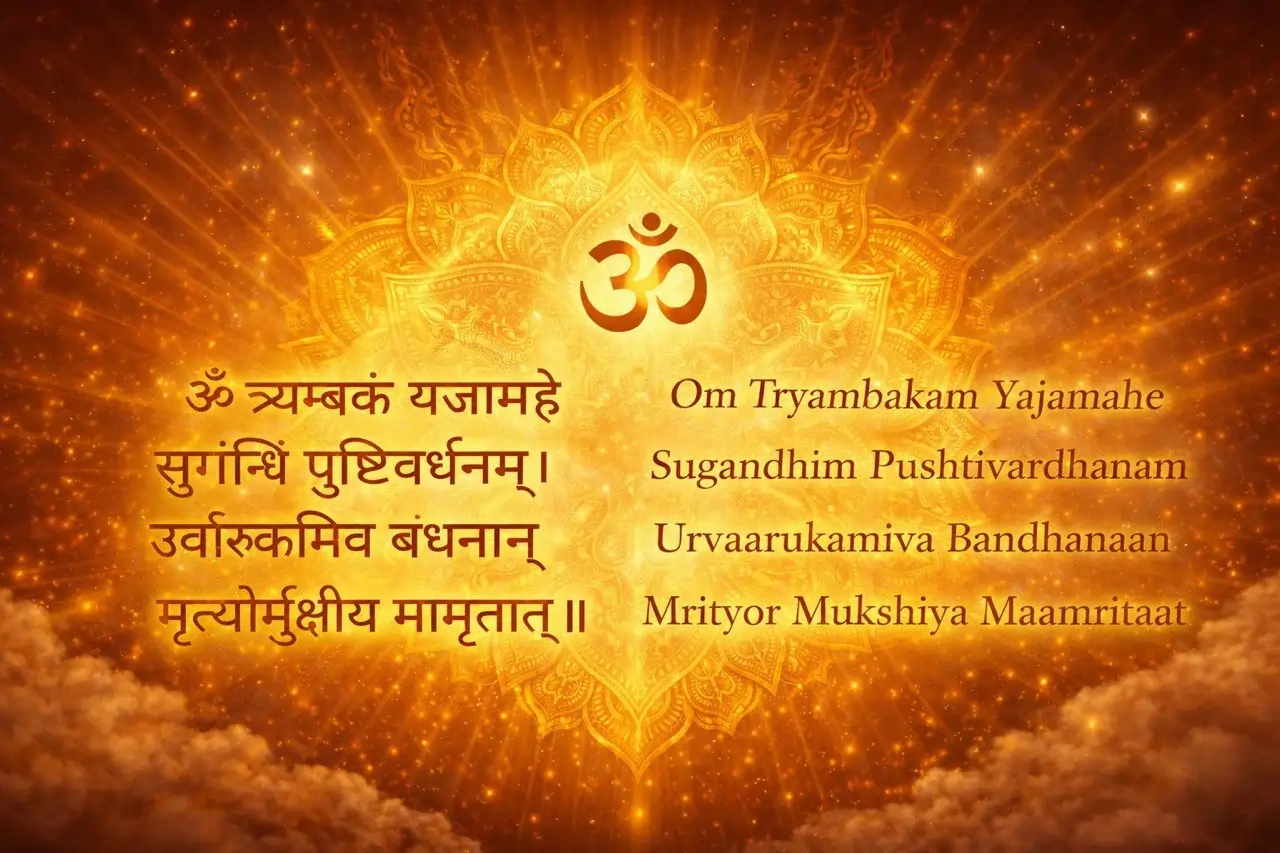
Mahamrityunjaya Mantra Meaning:
“O Lord Shiva!
Protect us from disease, fear, sorrow, and untimely death and grant us long life, health, and peace.”
5. Om Namo Bhagwate Vasudevaya Mantra
This mantra is considered a mantra of devotion and surrender, which calms and purifies the mind.
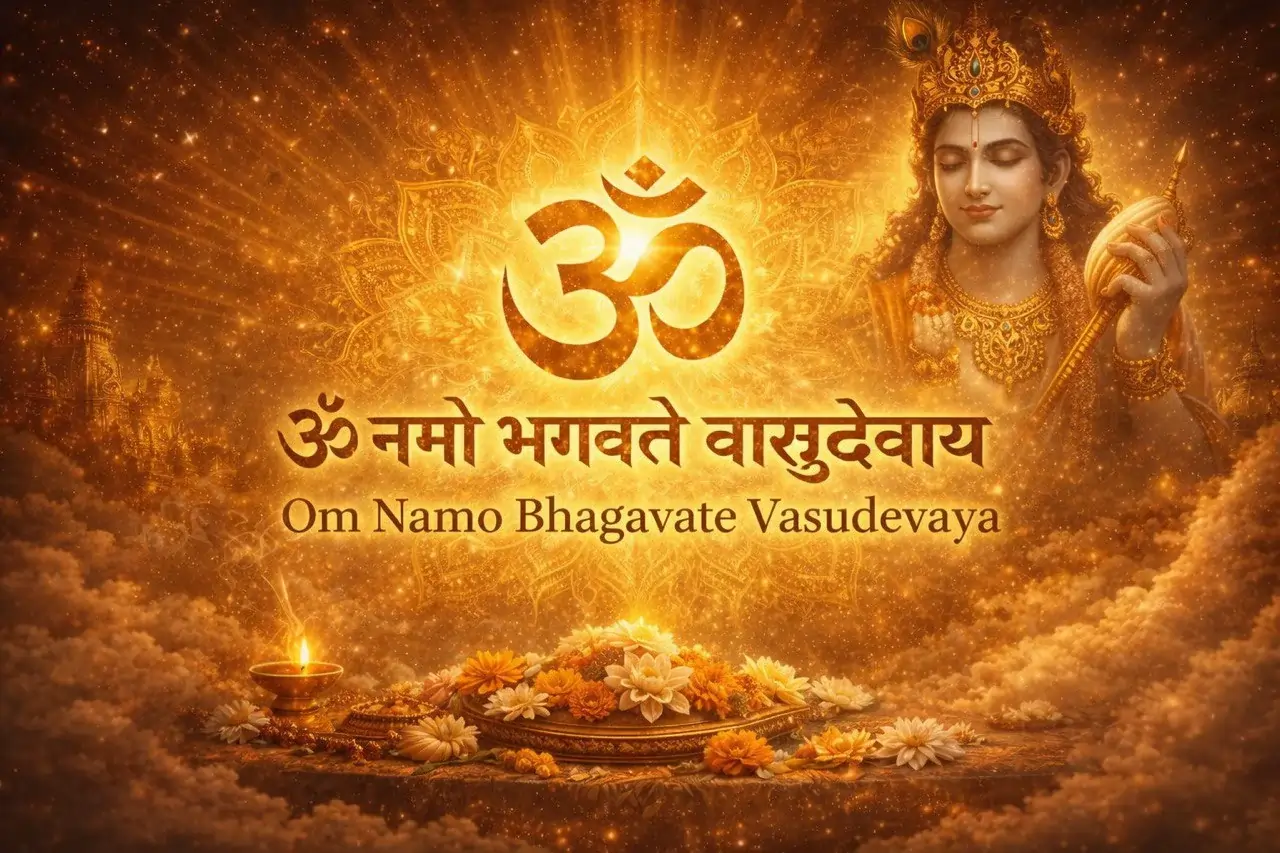
Om Namo Bhagwate Vasudevaya Mantra Meaning:
“I bow down to Lord Krishna (Vasudeva).”
6. Saraswati Mantra
This mantra is extremely useful for studies and learning, as it increases memory and concentration.
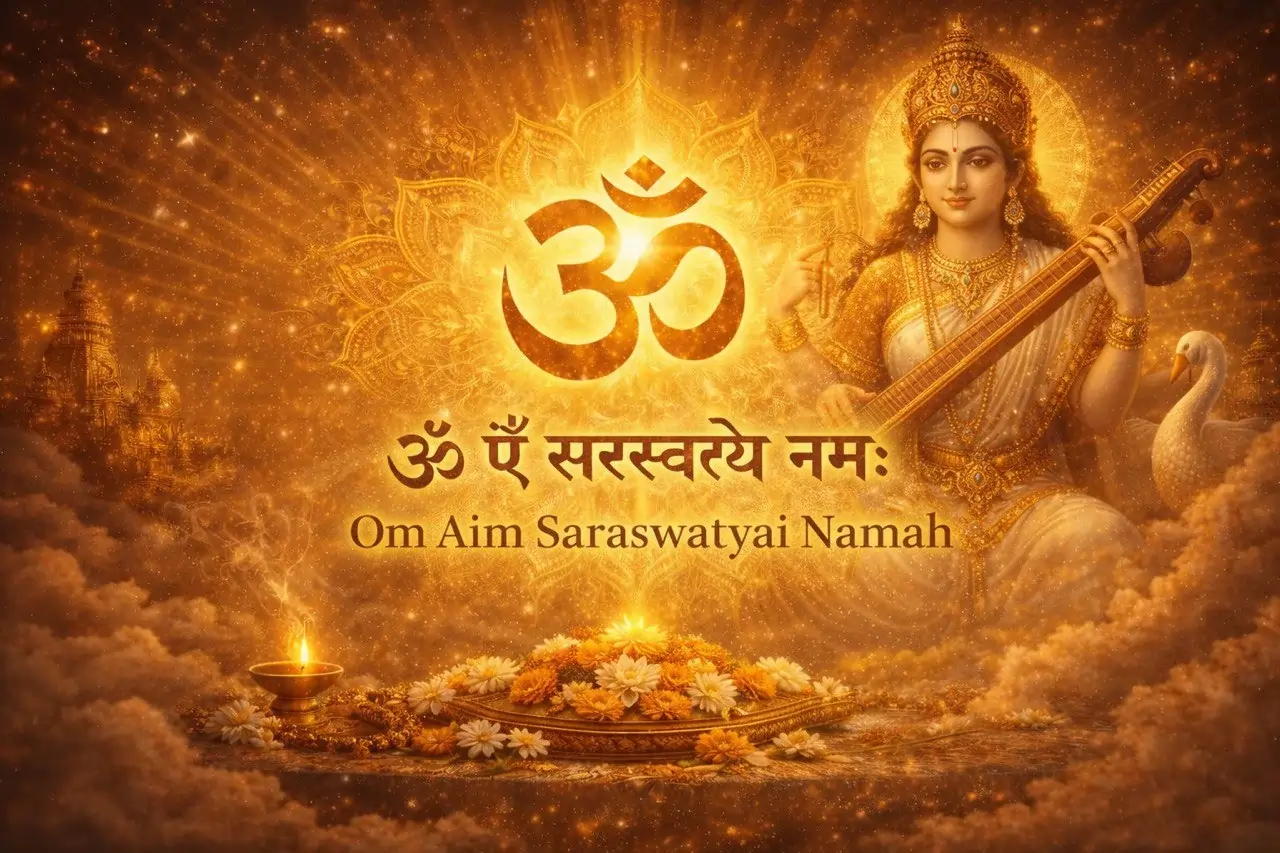
Saraswati Mantra Meaning
“I bow down to Goddess Saraswati, the goddess of knowledge, wisdom, learning, and speech.”
7. Shanti Mantra
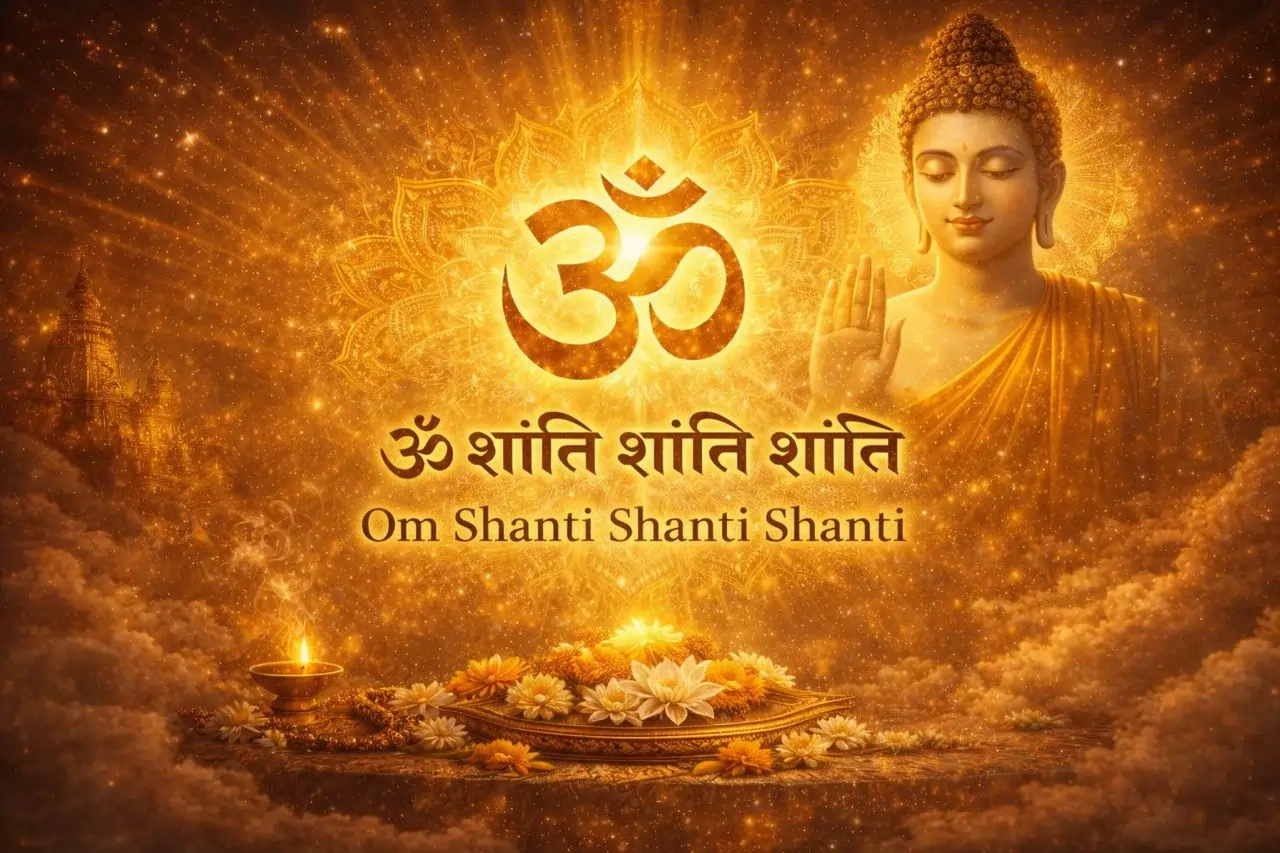
Shanti Mantra Meaning
“O God! May there be peace in our body, mind, and soul.”
Best time to chant mantras:
1. Brahma Muhurta (Most Powerful)
The mantras should be chanted 1.5 hours before sunrise, as both the time and the environment are calm at that time.
2. Early Morning
The mantras should be chanted daily at sunrise.
3. Evening / Sunset
The mantras should be chanted daily at sunset.
4. Night
The mantras should be chanted before going to sleep at night.
Mantra Chanting Rules:
- Before chanting mantras, keep your body and mind calm and clean.
- Recite the mantras at the same time every day. If possible, do it during the Brahma Muhurta (the auspicious time before sunrise).
- Chant mantras in a calm and open environment.
- Chanting while sitting upright in Sukhasana is beneficial.
- Keep the number of repetitions fixed, such as 51, 21, 108, or 62. These numbers are considered auspicious.
Conclusion:
In today’s stressful life, chanting mantras plays a significant role. Without any cost or complicated process, chanting mantras provides stability and peace to the mind. Chanting mantras not only reduces stress and anxiety but also increases concentration and self-confidence. The sound of mantras generates a flow of positive energy in our bodies, which makes our minds feel calm.
If mantras are chanted occasionally, they can certainly provide our minds with temporary peace. However, if the mantras are chanted daily and at the correct time, their effect becomes visible in our lives.