What are the 8 limbs of yoga?
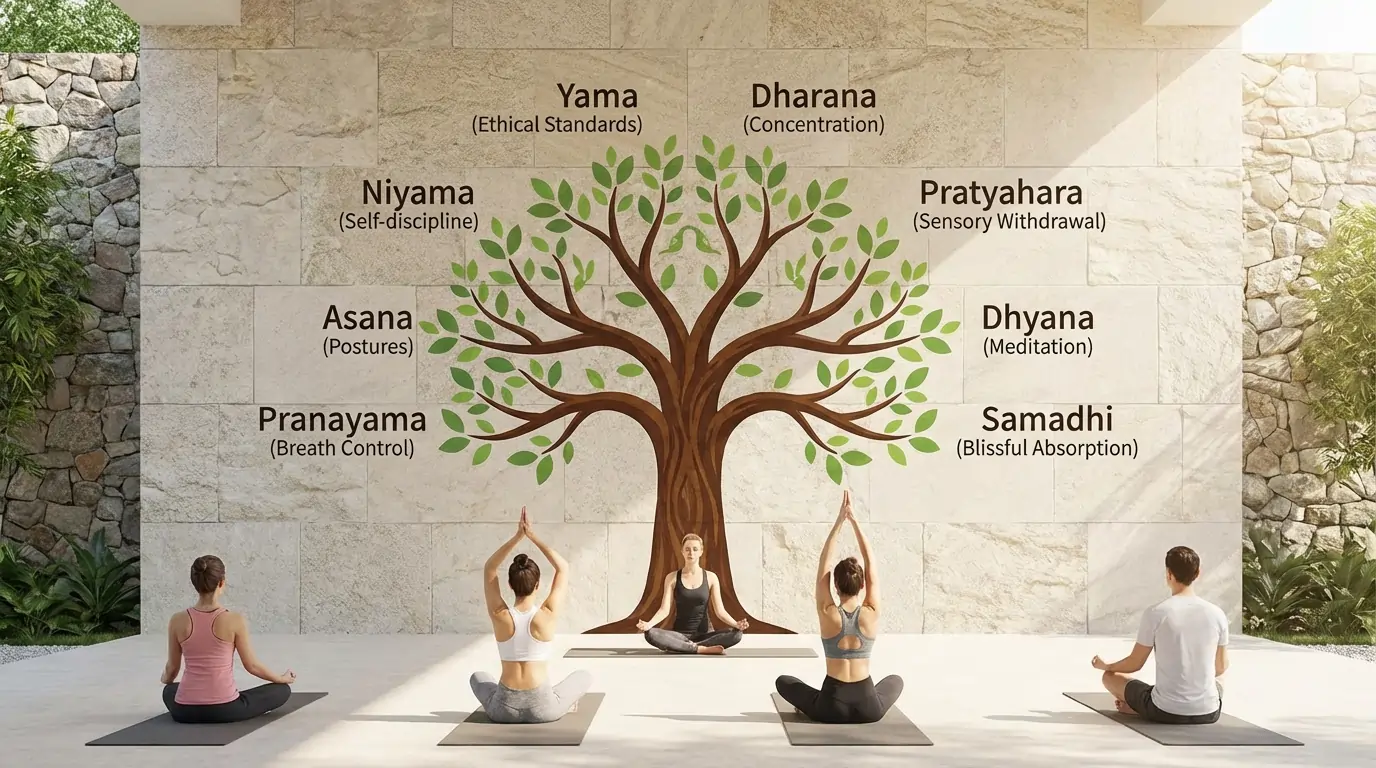
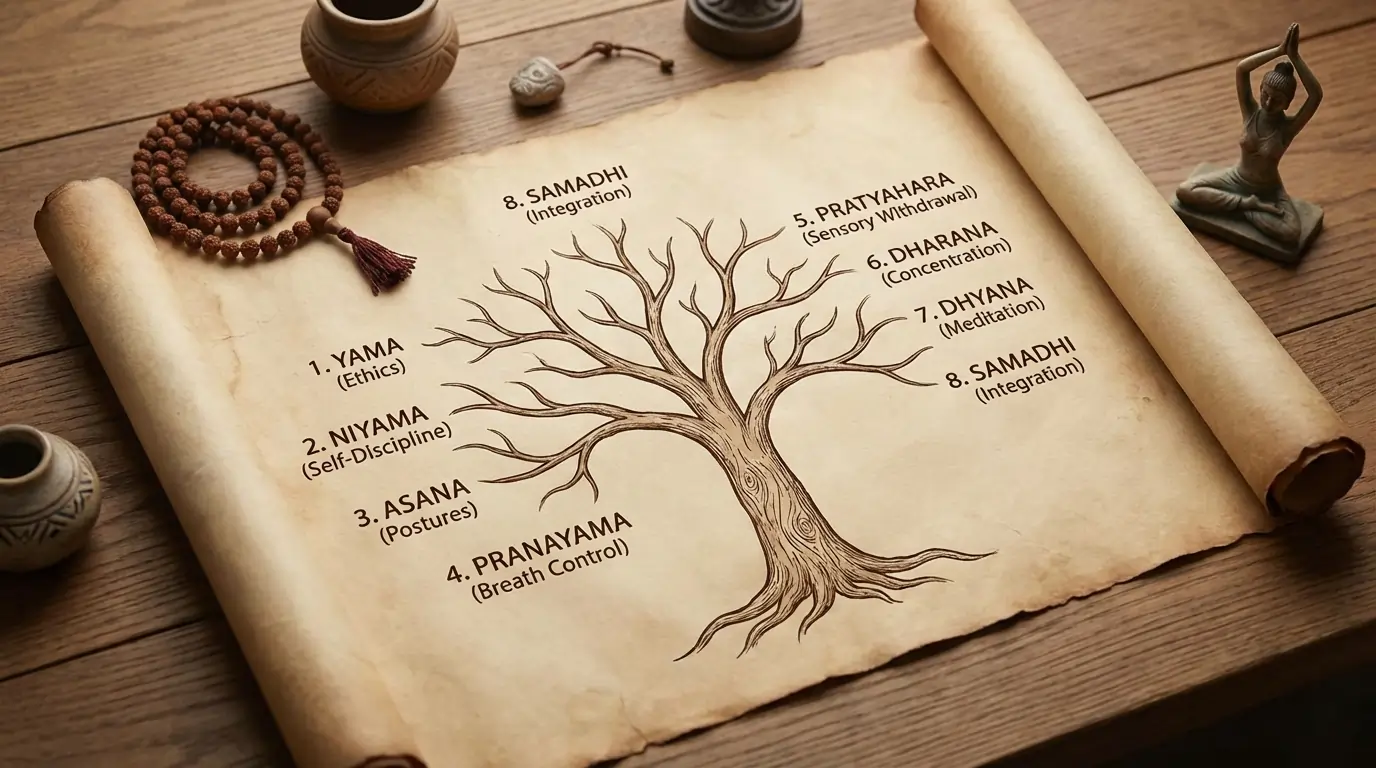
Maharishi Patanjali explained the 8 limbs of yoga in the Yoga Sutras as an essential part of ancient Indian philosophy. The eight limbs of yoga are not just physical exercises; they represent a total lifestyle based upon achieving equilibrium among the three aspects (body, mind, and spirit) of one’s being. These eight limbs include steps such as moral rules, self-discipline, yoga poses, pranayama, meditation, and samadhi. The aim of these limbs is to free the individual from external distractions and lead them towards inner peace and self-realization.
In today’s stressful life, Patanjali’s eightfold path plays an important role because it shows the path to mental peace, positive thinking, and spiritual growth. It not only makes us healthy but also gives right direction and depth to life. Ultimately, the fundamental basis of Ashtanga Yoga lies in the Yoga Sutras, which are considered the authoritative classical source of this entire path of yoga.
List of 8 Limbs of Yoga
1. Yama
Yama is the first and most important part of the 8 Limbs of Yoga. Its description is found in the Yoga Sutras of Patanjali. Yama means moral discipline or rules of social conduct. It teaches us how we should behave with others and how to adopt morality in our lives.
Definition of “Yama” according to patanjali
“अहिंसा सत्यास्तेय ब्रह्मचर्यापरिग्रहा यमाः।”
Meaning:
The five Yamas are—
- Ahimsa (not causing harm to anyone through thought, word, or deed)
- Satya (following truthfulness)
- Asteya (not stealing)
- Brahmacharya (controlling the senses)
- Aparigraha (not accumulating excessive wealth)
Patanjali places Yama first in the eight limbs of yoga because further practice is not possible without moral purification. Following Yama calms the mind, sweetens relationships, and paves the way for spiritual progress.
2. Niyama
Niyama is the second limb of the 8 Limbs of Yoga. While Yama deals with social conduct, Niyama focuses on personal discipline and inner purification. According to the Limbs of Yoga, niyama inspires us to create a positive and balanced life. It is described in the Yoga Sutras of Patanjali.
There are five types of Niyamas:
- Shaucha – purity of body and mind
- Santosh – contentment with what one has
- Tapas – discipline and hard work
- Swadhyaya – Self-reflection and study of scriptures
- Ishvara Pranidhana – surrender to God
Following the Niyamas purifies and stabilizes one’s mind. It boosts self-confidence and helps one progress towards spiritual progress. Therefore, the rules are of special importance in the 8 Limbs of Yoga.
3. Asana
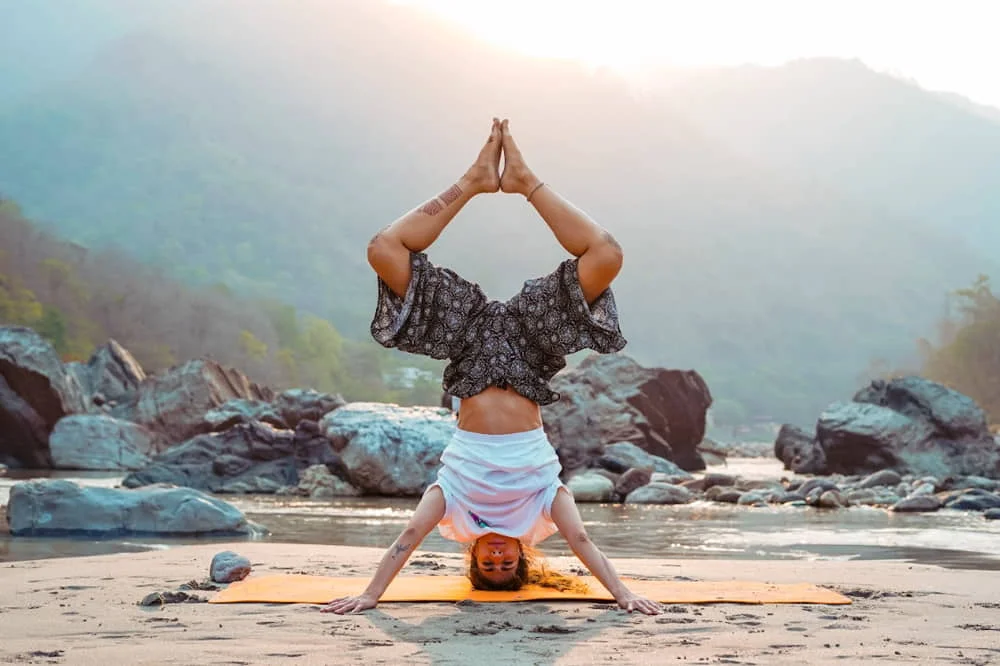
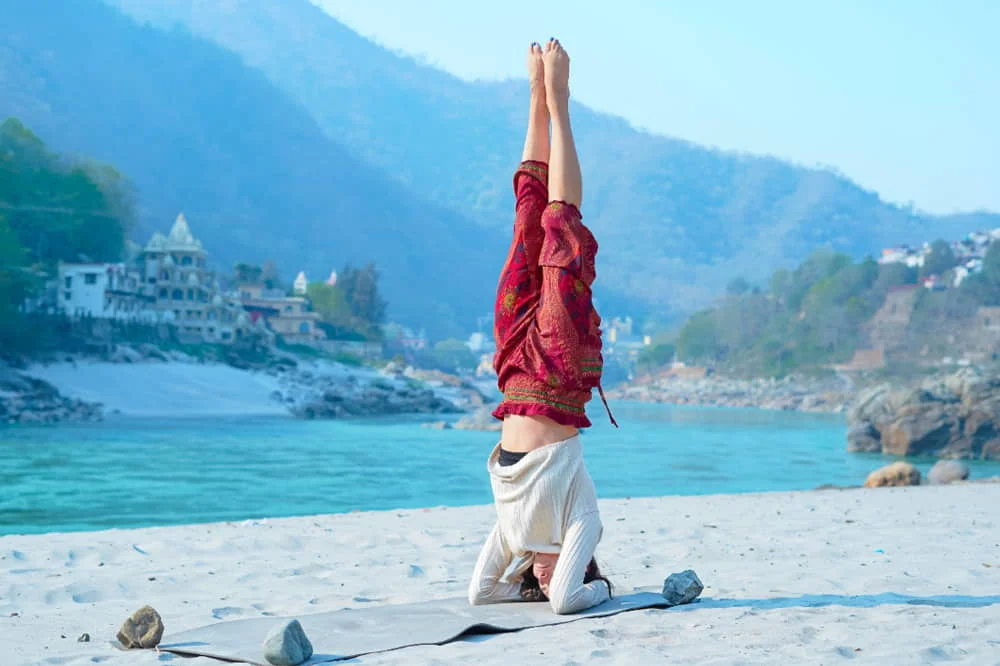
Asana is the third part of the 8 Limbs of Yoga. According to Patanjali’s eightfold path, “asana” means stable and pleasant posture. It is said in the Yoga Sutras of Patanjali—”Sthirsukhmasanam,” i.e., the posture that is stable and comfortable is the same asana. The main purpose of asanas is not only to make the body flexible but also to prepare the body for meditation. Regular asana practice helps build a healthy, strong, and balanced body. It improves blood circulation, strengthens muscles, and calms the mind.
Definition of “asana” according to patanjali
“स्थिरसुखम् आसनम्।”
Meaning:
The posture that is stable and comfortable is the correct posture.
The importance of asana in the Ashtanga Yoga is because it establishes a balance between the body and the mind. When the body is still, the mind gradually begins to concentrate. Thus, asanas lay the foundation for the subsequent phases of pranayama, meditation, and samadhi.
4. Pranayama
Pranayama is the fourth limb of the 8 Limbs of Yoga. According to the 8 limbs of yoga, pranayama means prana (life energy) + ayama (expansion or control). Patanjali explains pranayama in the Yoga Sutras. The main purpose of pranayama is to balance the body and mind by controlling the breath.
Definition of pranayama according to patanjali
“तस्मिन् सति श्वासप्रश्वासयोर्गतिविच्छेदः प्राणायामः।”
Meaning:
When stability is achieved in the posture, controlling the inhalation and exhalation (the movement of breath in and out) is called pranayama.
5. Pratyahara
Pratyahara is the fifth limb of the 8 Limbs of Yoga. According to the eight limbs of yoga, pratyahara means withdrawing the senses from external objects and turning them inward. Patanjali mentions it in the Yoga Sutras.
Definition of pranayama according to patanjali
“ततः परमावश्यतेन्द्रियाणाम्।”
Meaning:
When the senses withdraw from their respective objects (form, taste, smell, touch, and sound) and start acting according to the mind, it is called Pratyahara.
Generally our senses (eyes, ears, nose, etc.) are attracted towards the outside world, due to which the mind becomes restless. The practice of Pratyahara teaches us control over these senses so that the mind can experience inner peace.
6. Dharana
Dharana is the sixth limb of the 8 Limbs of Yoga. According to Ashtanga Yoga, Dharana means fixing the mind on a single point, thought, or object. It is described in the Yoga Sutras of Patanjali. In the practice of Dharana, the practitioner focuses the mind on an object, such as concentrating on a mantra, the flame of a lamp, or the breath. Normally, the mind is very restless and wanders here and there. Dharana teaches us the art of stopping this wandering and stabilizing the mind.
Definition of “Dharana” according to patanjali
“देशबन्धश्चित्तस्य धारणा।”
Meaning:
Concentration is the act of fixing the mind on one place.
Dharana is important in the eight limbs of yoga; it prepares you to achieve dhyana, or meditative states of being. Having trained your mind to focus on a point, deep states of meditation can then be reached by utilizing dharana training. Therefore, developing mental strength and progressing spiritually are part of your development through practicing dharana.
7. Dhyana
Dhyana is the seventh limb of Patanjali’s eightfold path. According to the 8 Limbs of Yoga, meditation refers to a state of sustained and intense concentration. Patanjali describes this concept in the Yoga Sutras.In Dharana, an attempt is made to fix the mind on one point, whereas in Dhyana the same concentration continues to flow without interruption. When the practitioner focuses continuously and calmly on a mantra, God, or breathing, he enters a state of meditation.
Definition of “Dhyana” according to patanjali
“तत्र प्रत्ययैकतानता ध्यानम्।”
Meaning:
When the flow of the mind remains continuous and uninterrupted on the object on which concentration has been fixed, that is meditation.
Meditation is of special importance in Patanjali’s eightfold path because it increases self-awareness. Regular meditation practice creates a calm, stable, and positive mind. Stress is reduced, and one experiences inner peace. This state ultimately leads to samadhi.
8. Samadhi
Samadhi is the eighth and final limb of yoga. According to Patanjali’s eightfold path, samadhi is a state where the practitioner’s mind becomes completely calm and absorbed in the soul. It is described in the Yoga Sutras of Patanjali. In samadhi, the distinction between the seeker and the object of focus begins to dissolve. It’s the most advanced level of meditation when thoughts of personal ego, desire, and mental disturbance cease to exist. At this point, there is a very strong level of bliss, peace, and enlightenment.
Definition of “Samadhi” according to patanjali
“तदेवार्थमात्रनिर्भासं स्वरूपशून्यमिव समाधिः।”
Meaning:
When only the object of meditation remains visible and the meditator forgets his own true nature, that state is Samadhi.
How to Practice the 8 Limbs of Yoga in Daily Life
It is not difficult to adopt the eight limbs of yoga in everyday life; it just requires proper understanding and regularity. First, incorporate Yama and Niyama into your behavior—like speaking the truth, practicing non-violence, being content, and maintaining cleanliness. This moral foundation strengthens your personality.
Secondly, do asanas for at least 15-20 minutes every day to keep your body healthy and flexible. Practice pranayama, like anulom-vilom, or deep breathing after this to focus and calm your mind down.
Practicing pratyahara means to stay away from your cell phone and other distractions for a designated amount of time within a day’s time. Concentrating completely while studying or working is Dharana, and deepening that concentration is called Dhyana. When the mind reaches a state of complete peace and balance, that is the step towards Samadhi.
Thus, by adopting the 8 limbs of yoga in daily life through small exercises, we can achieve physical health, mental peace, and spiritual development.
Importance of the 8 Limbs of Yoga in Modern Yoga Style
Today many people view yoga only as a way to get into shape or to be physically fit. However, according to the 8 limbs of yoga, yoga is much more than just doing asanas. The increasing stress, competition, and mental unrest in modern life prove that the need for the Ashtanga Yoga is greater than ever before. Among these eight limbs, Yama and Niyama teach us morality, discipline, and a positive lifestyle. Asanas and pranayama balance the mind while keeping the body healthy. Pratyahara, Dharana, and Dhyana provide concentration and peace of mind amidst the distractions of the digital age.
While today’s modern yoga studios may focus more on physical exercises, the holistic practice of the classical yoga system leads one to inner stability and self-awareness. Thus, the importance of the eight limbs of yoga increases in modern yoga because it not only makes us fit but also empowers us mentally and spiritually.
About Mira Yogashala- Yoga School in Rishikesh, India:
Mira Yogashala is one of the genuine and trusted yoga schools in Rishikesh. We are offering several certified yoga teacher training courses: 100-hour yoga TTC, 200-hour yoga TTC, 300-hour yoga TTC, and 500-hour yoga TTC in Rishikesh. During this course we offer every essential facility to the students, like satvik meals, comfortable rooms, and accommodation. After successful completion of this course, students receive an internationally recognized Yoga Alliance certification.
- 100 Hour Yoga Teacher Training Course in Rishikesh
- 200 Hour Yoga Teacher Training Course in Rishikesh
- 300 Hour Yoga Teacher Training Course in Rishikesh
- 500 Hour Yoga Teacher Training Course in Rishikesh
Conclusion
The 8 limbs of yoga are not just physical exercises but a complete process of making life balanced, disciplined, and aware. This eightfold path described by Maharishi Patanjali takes us away from external distractions and leads us towards inner peace and self-realization. The Yamas and Niyamas purify our behavior and our thoughts, while Asanas and Pranayama help to stabilize and heal the body/mind. Pratyahara, Dharana, and Dhyana provide concentration and mental balance, and finally, Samadhi paves the way for a deeper realization of the soul.
The importance of these eight limbs is even greater in today’s stressful and busy lives. If we incorporate them into our daily lives as small practices, we will not only improve our physical health but also attain mental peace and spiritual progress. Thus, 8-limb yoga leads us towards holistic development and makes life more meaningful, balanced, and joyful.
Frequently Asked Questions
Q1. What are the 8 limbs of yoga according to Patanjali?
Ans: According to Patanjali, the Yoga Sutras of Patanjali describe eight limbs of yoga—yama, niyama, asana, pranayama, pratyahara, dharana, dhyana, and samadhi. These eight limbs lead a person to a moral life, mental purification, and spiritual enlightenment. This is called Ashtanga Yoga.
Q2. What is the purpose of Ashtanga Yoga?
Ans: Ashtanga yoga aims to achieve balance in the body, mind, and spirit. It leads one to a moral life, mental purification, and spiritual awareness. Through this, one attains self-control, meditation, and ultimately, enlightenment.
Q3. Why are the 8 limbs of yoga important today?
Ans: The eight limbs described by Patanjali are important today because they help balance stress, anxiety, and an unbalanced lifestyle. These principles, described in the Yoga Sutras of Patanjali, are a guide to mental peace, self-discipline, and spiritual growth.