
Summary
Yes, you can teach yoga after completing a 200-hour yoga TTC, provided the certification is obtained from a reputable yoga school.
A 200-hour Yoga TTC in Rishikesh is considered the foundational qualification for aspiring yoga teachers and equips students with essential knowledge of yoga asanas, anatomy, philosophy, pranayama, meditation, alignment, and teaching methodology.
However, becoming a successful yoga teacher requires more than certification alone. Confidence, consistent practice, teaching experience, communication skills, and a commitment to continuous learning all play an important role in developing as a yoga instructor.
In this guide, we’ll explore what a 200-hour yoga certification allows you to do, whether you are legally qualified to teach, what challenges new teachers face, and how graduates can begin their teaching journey after completing a yoga teacher training in Rishikesh.
Introduction: 200-Hour Yoga TTC
One of the most common questions students ask before enrolling in a yoga teacher training course is the following:
“Can I actually teach yoga after completing a 200-hour certification?”
It is a fair question.
Students spend a lot of time and resources on a yoga teacher training course and are naturally interested in whether a certificate would be sufficient for teaching.
There are people who think that a 200-hour certification is just a start, and years of further training are needed before one can actually teach other people.
Others are worried about not feeling confident enough to lead classes after graduating from a yoga teacher training program.
The reality is somewhere in the middle.
The 200-Hour Yoga Teacher Training Course is aimed at preparing you for teaching yoga. It gives a foundation of yoga practice, anatomy, yoga philosophy, pranayama, meditation, sequencing, yoga class management, and teaching techniques.
By the way, there are many yoga teachers all over the world who start teaching yoga right after completing the 200-Hour Yoga TTC in Rishikesh.
But a certificate doesn’t make a person a good teacher per se. Any professional activity develops through practice, experience, observation, and dedication.
In this article, we’ll tell you what happens after graduation and what opportunities open after a 200-hour certification.
Quick Answer: Can You Teach Yoga After a 200-Hour Certification?
Yes, definitely.
The 200-hour yoga certification is the globally accepted entry-level certificate, which will allow graduates to start teaching yoga classes.
After successfully completing a certified 200-hour yoga teacher training in Rishikesh program, you can usually teach the following:
- Beginner yoga classes
- Yoga classes in groups
- Private yoga lessons
- Online yoga classes
- At yoga studios and wellness centers
- Further yoga studies
- Join yoga associations as a yoga teacher (if the certification allows it)
Nevertheless, graduation is only the beginning of the teaching process, not the end of the learning process.
Most successful yoga teachers continuously improve their skills and knowledge with the help of the following:
- Personal daily practice
- Workshops
- Teacher trainings
- Specific certifications
- Teaching experience
A 200-hour certification provides the foundation. Experience helps build mastery.

What Does a 200-Hour Yoga TTC Certification Actually Teach You?
People often think that yoga TTC is just a long yoga class.
In fact, a professional 200-hour yoga TTC includes much more than just postures.
The idea of this training is that students become able to know about yoga comprehensively and teach it properly.
Yoga Asana Practice
Students learn:
- Correct posture alignment
- Safe movements
- How to modify postures
- Benefits of different postures
- Mistakes and how to avoid them
Practice allows students to gain body awareness and to demonstrate postures confidently.
Anatomy and Physiology
To be a responsible yoga teacher, one should have knowledge of how the body works.
Students learn:
- Skeleton structure
- Muscular system
- Joint mechanics
- How to prevent injuries
- Principles of safe alignment
It will help future teachers to lead classes safely.
Yoga Philosophy
Yoga is not only a physical practice.
Students study classical knowledge of yogis, such as:
- Eight limbs of yoga
- Yoga Sutras of Patanjali
- Ethics of yogis
- Mindfulness
- Self-awareness
- Classical principles of yogic lifestyle
The lessons will assist future teachers in comprehending the true meaning of yoga.
Pranayama and Meditation
Breathing and meditation form an integral part of yoga education.
Students are taught how to:
- Breathe effectively
- Harness energy
- Focus better
- Practice meditation
- Manage stress
These lessons ensure that teachers can provide a fuller experience of yoga to their students.
Teaching Methodology
This is often the most important component for future teachers.
Students learn:
- Class sequencing
- Verbal cueing
- Demonstration skills
- Observation techniques
- Student safety
- Class management
- Teaching confidence
By the end of training, students typically practice leading classes and receiving feedback from experienced instructors.
Why Many New Graduates Feel Unprepared to Teach
Interestingly, one of the biggest surprises after graduation is that many students still feel nervous about teaching.
This is completely normal.
Despite having completed your extensive yoga teacher training program, standing in front of your class as a beginner can seem daunting at first.
Some common fears include:
- Fears of mistakes
- Fears of forgetting sequences
- Public speaking fears
- Being judged fears
- Knowledge fears
Every accomplished yoga teacher has gone through all the above fears.
The truth is that confidence is gained through teaching.
There is no guarantee that the certification will rid you of nervousness.
And the only things that the program gives you are a solid base, the right knowledge, and everything you need to begin teaching.
Most graduates realize that their confidence levels rise rapidly once they teach a couple of classes.
It all depends on acting, not waiting for the perfect time to come.
About Mira Yogashala
Mira Yogashala is an ancient yoga school based in Rishikesh that aims to share true yogic knowledge in a friendly atmosphere.
It unites traditional wisdom with modern teaching techniques in order to help students build a solid base in terms of practice and theory.
We have a wide variety of courses for every level from total beginners stepping into the world of yoga to advanced practitioners ready for further development.
Thanks to small classes, an individual approach, and experienced teachers, students get the opportunity to learn in a favorable atmosphere.
It includes yoga asanas, pranayamas, meditation, yoga philosophy, anatomy, alignment, and teaching methodology.
Mira Yogashala provides a 100-hour yoga TTC, a 300-hour yoga TTC, and yoga retreats in Rishikesh.
We do not only want to provide certification but also to show the true yogic lifestyle.

Where Can You Teach After Completing a 200-Hour Yoga TTC Certification?
One of the biggest advantages of earning a 200-hour yoga certification is the variety of teaching opportunities available after graduation.
Many students assume they must immediately work in a large yoga studio, but there are actually numerous paths available for newly certified teachers.
Yoga Studios
Many yoga studios hire instructors who hold a recognized 200-hour certification.
New teachers tend to start out with the following:
- Beginner classes
- Hatha classes
- Gentle yoga classes
- Community classes
The studio setting enables teachers to continue learning from experienced teachers.
Fitness Centers and Gyms
Yoga is becoming more common in gyms and fitness centers.
This gives teachers good teaching experience as well as enabling them to develop confidence and gain new students.
Private Yoga Classes
Many teachers will teach one-on-one private classes as beginners.
Teachers will be able to:
- Focus on the individual
- Tailor yoga programs
- Gain teaching experience
- Practice communicating
Some teachers even build up businesses that solely work in private classes.
Corporate Yoga
Yoga in corporate settings has gained great popularity in recent years.
Companies will hire yoga teachers to do things like:
- Stress management
- Wellness programs
- Health programs
- Mindfulness workshops
This is a great opportunity for teachers just starting out with their certification.
Yoga Retreats and Wellness Centers
Retreat centers around the world regularly seek qualified yoga instructors.
Teaching in retreat settings allows teachers to combine yoga instruction with travel and wellness education.
Online Yoga Teaching
The digital world has created opportunities that did not exist a decade ago.
Some graduates teach using:
- Zoom classes
- Membership sites online
- Social media
- YouTube channels
- Wellness apps
Online teaching provides teachers with the opportunity to teach anywhere in the world and establish a personal teaching style.
Challenges Faced by New Yoga Instructors During 200-Hour Yoga TTC
Whereas the certificate is very solid, there are various challenges that any new teacher will face while starting their career.
These challenges are entirely normal and are part of the process.
Developing Confidence
Lack of confidence is the biggest challenge.
Many graduates know the material but still feel nervous leading a room full of students.
Questions such as:
- What if I make a mistake?
- if I forget the sequence?
- if students know more than I do?
are extremely common.
The good news is that confidence grows with experience.
Every class taught helps develop greater trust in your abilities.
Creating Class Sequences
Planning an effective yoga class can feel overwhelming at first.
New teachers need to know how to do the following:
- Arrange their classes
- Maintain balanced postures
- Develop smooth transitions
- Make sequences appropriate to their students
By practicing, sequencing will become easier.
Speaking in Front of Groups
Teaching yoga involves much more communication than many students expect.
New instructors often need time to develop:
- Clear verbal cueing
- Projection and voice control
- Student engagement
- Leadership skills
Fortunately, teaching methodology classes during a 200-hour yoga TTC helps prepare students for these situations.
Finding Students
One challenge many graduates underestimate is building a student base.
Just like in any other profession, teaching opportunities build up gradually.
Successful teachers always start with the following:
- Friends and relatives
- Community classes
- Donation-based classes
- Small private groups
Consistency and patience may be key to success.

How Mira Yogashala Prepares Students for Teaching
While preparing students to be teachers, Mira Yogashala goes beyond just teaching postures in yoga.
It aims at equipping students with the required skills to become teachers once they complete their studies.
During the course, the following areas of training are covered:
Teaching Methodology
In this area, students are taught how to:
- Structure classes
- Build class sequences
- Give verbal instructions
- Flow in a class
- Safely observe students
Practice Teaching
One of the most important aspects of teacher training is practice teaching.
Students gain confidence by:
- Teaching fellow students
- Getting feedback
- Verbal cueing practice
- Running part of the class
Body Anatomy and Safe Alignment
Knowledge about the body is very important for teachers.
Students will be taught:
- Joint movements
- Functions of muscles
- Prevention of injuries
- Safety alignment techniques
These skills will enable future teachers to lead their classes in a safe way.
Confidence Gained from Experience
A lot of students enter the class feeling unsure of their abilities to become teachers.
Nevertheless, after regular practice and feedback, confidence is gained during the course period.
By the time of graduating, many students realize that they can do more than they thought before.
Can You Teach Internationally After a 200-Hour Yoga TTC?
This is yet another frequently asked question by potential candidates.
In most situations, the answer will be yes.
The 200-hour yoga certification at a known yoga institute is highly respected across the international yoga circuit.
These graduates end up teaching at:
- India
- Europe
- Australia
- North America
- South America
- Southeast Asia
- Wellness centers around the world
But different studios and places of employment may have their own criteria for hiring someone.
Regardless, a 200-hour yoga teacher training course remains the standard starting point for yoga teachers across much of the world.
How to Build Confidence as a New Yoga Teacher
Confidence rarely appears overnight.
Instead, it is developed through experience.
Some of the best methods for boosting confidence among new teachers are:
Teach Regularly
Teaching even one class per week will help build confidence greatly.
Consistency trumps perfection.
Stay Committed to Your Own Practice
The best teachers stay dedicated students themselves.
Practicing yoga will help you grow in terms of knowledge and authenticity.
Get Feedback
Constructive feedback is one of the quickest ways to grow.
Getting feedback from mentors, other teachers, and students will help you find your strengths and areas for improvement.
Keep Learning
The 200-hour Yoga TTC is just a starting point.
There are many teachers who continue learning through:
- Workshops
- Retreats
- Certifications in particular areas of yoga
- Further advanced yoga teacher training courses
It is the readiness to learn that distinguishes good teachers from the great ones.
Remember That Even Great Teachers Had a First Class
The most important thing to remember might be this:
Any experienced yoga teacher started as someone who had to give their very first class.
Nobody starts as an expert.
Growth happens through experience, patience, and dedication to the practice.
What We Have Observed After Training Students at Mira Yogashala
Year after year, Mira Yogashala has trained students coming from various nations, occupations, ages, and levels of experience.
While some of them come having practiced yoga for years, others may have only a few months of experience—perhaps no teaching experience.
But there is one thing that always seems to happen to each one of them.
Before the course starts, most students think very poorly of themselves.
Do they have the flexibility, knowledge, or confidence necessary to become yoga teachers?
Most of them think that they need many more years of practice in order to be able to teach others.
But sometimes a very interesting phenomenon occurs.
Instead, it is about:
- Learning the basics
- Teaching safely
- Communicating effectively
- Supporting the students
- Learning continuously
At the end of the course, many students who were once unsure of themselves are confidently leading practice classes and mentoring other students.
Students have been able to pursue teaching positions such as the following:
- Studio classes
- Private lessons
- Online yoga classes
- Wellness retreats
- Community yoga classes
Most importantly, students have grown in confidence, discipline, and awareness that goes much further than teaching yoga.
This has helped reinforce one of the greatest lessons that we have learned at our yoga school.
Success in teaching yoga is not about perfection but rather dedication and consistency.
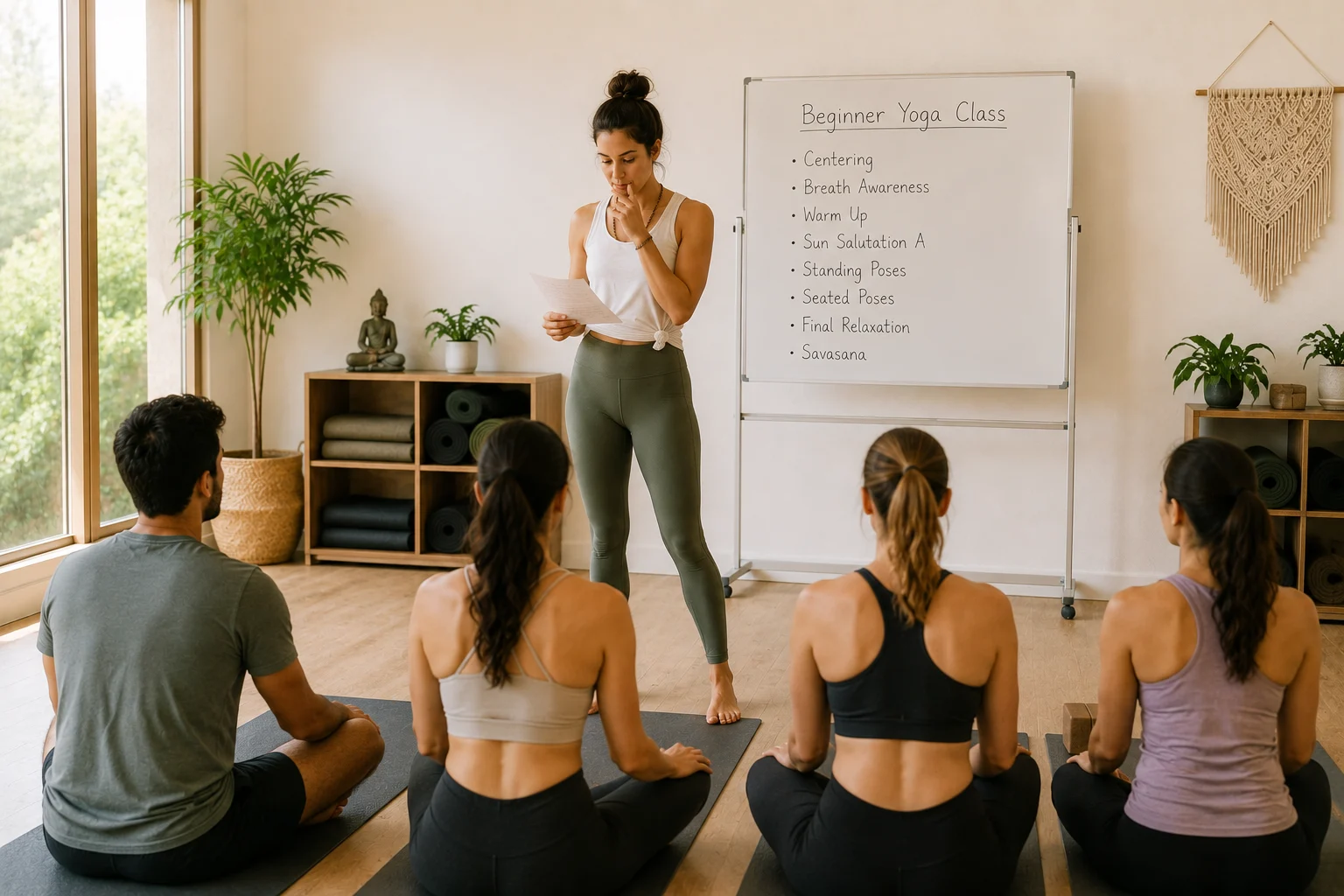
Signs You’re Ready to Teach Yoga After a 200-Hour Certification
Many graduates wonder when they will finally feel “ready” to teach.
The truth is that most teachers never feel completely ready.
Even expert instructors always continue their learning process during their entire career.
Nevertheless, there are some signs that demonstrate that you are ready to become a yoga instructor.
You understand the basics
It is not necessary for you to be familiar with all yoga positions or philosophical aspects.
However, if you know:
- Basics of alignment
- Basics of yoga positions
- Safe movement techniques
- Breath awareness
- Basics of class structure
It means that you have a good base.
You Can Teach Students Safely
Ensuring the safety of students is one of the main duties of a yoga instructor.
Therefore, if you can give proper adjustments and take care of the safety of students rather than performance, you are on the right track.
You Are Comfortable Communicating
Teaching yoga is largely about communication.
Students do not expect perfection.
They simply need clear instructions, encouragement, and guidance.
If you can explain concepts clearly and confidently, you already possess an important teaching skill.
You Maintain a Personal Practice
The most effective teachers continue to be students themselves.
Consistent personal practice will enable you to have a better understanding of yoga and be able to teach it from personal experience.
You Are Willing to Learn Continuously
The most critical indication of your readiness to teach may be your humility.
It is possible that teachers who are still curious and open to learn will make the greatest progress.
You know that graduation is just the start of your learning process.
Why a 200-Hour Yoga TTC Is Only the Beginning
A common misconception is that certification marks the end of yoga education.
In reality, it marks the beginning. The 200-Hour Yoga Teacher Training Course serves as the basis for all further studies.
With experience, yoga teachers often move on to study the following:
- Advanced yoga philosophy
- Specialized anatomy
- Yin Yoga
- Restorative Yoga
- Prenatal Yoga
- Yoga therapy
- Advanced meditation
- Advanced yoga teacher training programs
Many students will eventually go on to obtain additional education at 300-Hour Yoga TTC and beyond.
However, it should be kept in mind that further training is not obligatory prior to starting to teach.
It is the case for most experienced yoga teachers who started teaching right after finishing their basic yoga training and developed further while working in practice.
Teaching itself becomes one of the best ways of learning.
The goal is to begin and continue evolving along the way.
Conclusion
So, can you teach yoga after a 200-hour certification?
The answer is yes.
A 200-Hour Yoga Teacher Training Course is aimed at acquiring all the fundamental skills and knowledge, as well as some teaching experience, which will allow one to start leading yoga classes.
Although receiving certification will not make one an expert, it gives access to teaching possibilities and the opportunity to acquire all the necessary information.
However, the best teachers know that teaching yoga is something that takes one’s lifelong efforts.
They practice, learn, observe, and improve their skills long after finishing the course.
In Mira Yogashala, we see many students who are doubtful before starting the course and full of confidence and clarity after finishing it.
Many of those who doubted if they were ready enough to teach yoga found themselves ready to become great teachers.
If you love yoga and want to teach it, a 200-hour yoga teacher training course can be your beginning.
Don’t forget that every experienced teacher taught his/her first lesson once.
The only difference is that they started to do it.
Frequently Asked Questions
Q1. Can I start teaching yoga right after completion of my 200-hour certification?
Ans. Yes. Most of the participants start teaching beginner classes, private sessions, community classes, and online yoga classes soon after the completion of the course.
Q2. Does a 200-hour yoga TTC certification make me a professional yoga teacher?
Ans. Yes. The 200-Hour Yoga TTC is regarded as the basic certification that one needs to become a professional yoga teacher. Still, experience and further education contribute towards advancing one’s career in yoga teaching.
Q3. Do I need a 300-hour yoga TTC certification before I can teach yoga?
Ans. No. A 300-hour yoga TTC is meant for advanced courses and specialization. Most of the yoga teachers start teaching right after their 200-hour certification.
Q4. Can beginners enroll for the 200-Hour Yoga Teacher Training Course?
Ans. Absolutely. Many students enroll in a 200-hour yoga TTC with little or no previous teaching experience. The course is designed to teach students from the ground up.
Q5. Can I teach yoga in foreign countries after completing the 200-hour TTC training in Rishikesh?
Ans. Yes, in most cases. The 200-hour certification course will be generally accepted all over the world in many yoga schools and centers.
Q6. What is the most important quality for a novice yoga teacher?
Ans. Flexibility or complex asanas are not that important; what is important is consistency, humbleness, willingness to learn, ability to communicate well, and caring about students.