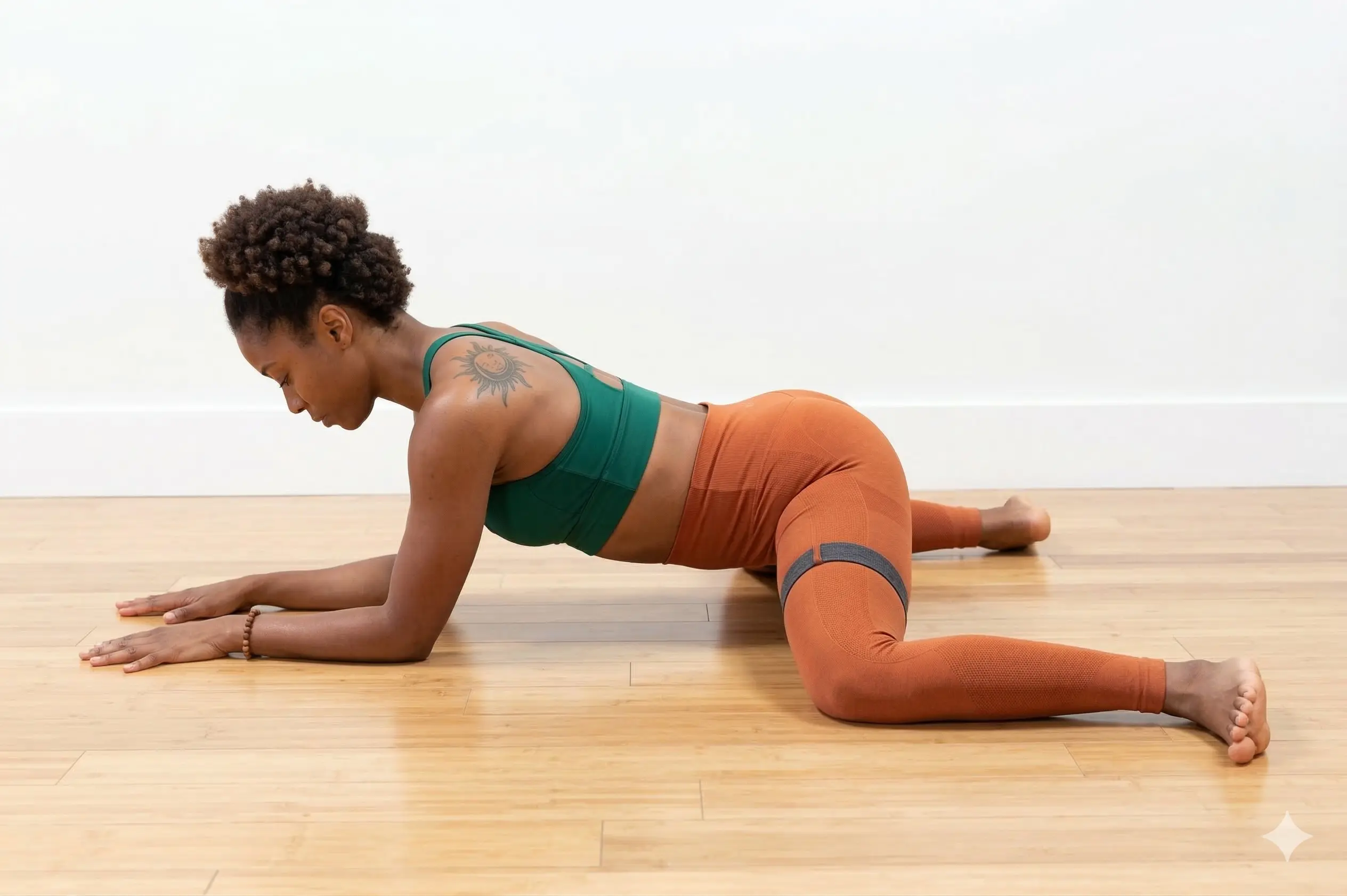
What Is Frog Pose (Mandukasana)?
The Frog Pose, also known as Mandukasana in yoga, is an important hip-opening pose that works deeply on the hips, inner thighs, groin, and lower back. In this pose, the body takes a shape similar to a frog, which is why it is called the frog pose. This yoga posture is particularly common in Hatha yoga and Yin yoga, especially for those who sit for a long time or have hip stiffness. In this posture, it is very important to emphasize relaxation and breathing.
To perform Mandukasana, from a tabletop position, the knees are slowly opened to the sides, and the chest is lowered towards the ground. Performing this pose reduces hip stiffness, increases blood circulation in the pelvic area, and provides relief from pain caused by prolonged sitting. Regular practice improves flexibility, body awareness, and relaxation. Beginners should practice without forcing themselves, according to their comfort level, and with props if needed.
How to Do Frog Pose (Mandukasana) Correctly:
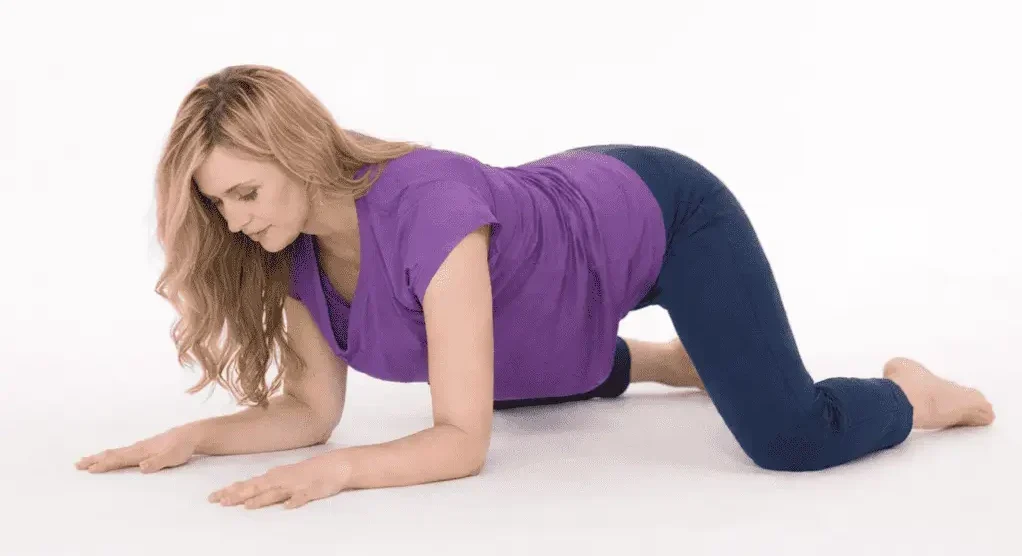
Step-by-step instructions for frog Pose
- Get into a tabletop position (on your hands and knees).
- Open your knees to the sides.
- Keep the soles of your feet facing outwards.
- Place your elbows or forearms on the floor.
- Keep your spine neutral while lowering your chest.
- Take deep breaths and hold them for 30 to 60 seconds.
- Practice without applying force, according to your comfort level.
Proper Breathing Technique in Mandukasana
- Breathe deeply and slowly through your nose.
- Keep your body relaxed while inhaling.
- On the exhale, relax your hips and thighs.
- Keep your breathing smooth and continuous.
- Hold the pose for 5-10 deep breaths.
Benefits of Frog Pose (Mandukasana):
- The frog pose reduces stiffness in the hips and inner thighs.
- Stimulates the digestive system.
- It helps to relieve menstrual pain and stiffness in the pelvic area.
- This pose will improve your hip flexibility.
- It provides a deep stretch to the groin and lower back.
- This pose will improve your blood circulation in your pelvic region.
- It provides relief from hip and lower body pain caused by prolonged sitting.
- It helps in releasing stress and emotional tension.
- when done carefully, can benefit the body and mind in the long run.
- Deep breathing exercises help to alleviate anxiety.
Precautions and Contraindications of Frog Pose:
Who Should Avoid Mandukasana
- Individuals with knee, hip, and groin problems
- Those with severe back pain
- People who have undergone surgery on the hips, knees, and spine
- Individuals with joint inflammation and arthritis
- People who experience sharp pain while performing the pose
Frog Pose During Pregnancy and Injury
- Frog Pose should not be performed during pregnancy, as it applies pressure to the pelvic area.
- Individuals who are injured should seek guidance from an experienced yoga teacher.
Important Safety Tips
- Before performing Frog Pose, always warm up.
- Never force the knees wider than comfortable.
- For support, use props like cushions or bolsters.
- Maintain slow and controlled breathing.
Variations of the Frog Pose (Mandukasana):
Easy Variations (For Beginners)
Half Frog Pose:
The Half Frog Pose is also known as “Ardha Mandukasana.” This version of the frog pose is simple and appropriate for beginners. This pose provides a gentle and safe stretch to the hips, thighs, and groin. It’s excellent for those who cannot comfortably perform the full Frog Pose or who experience tightness in their hips.
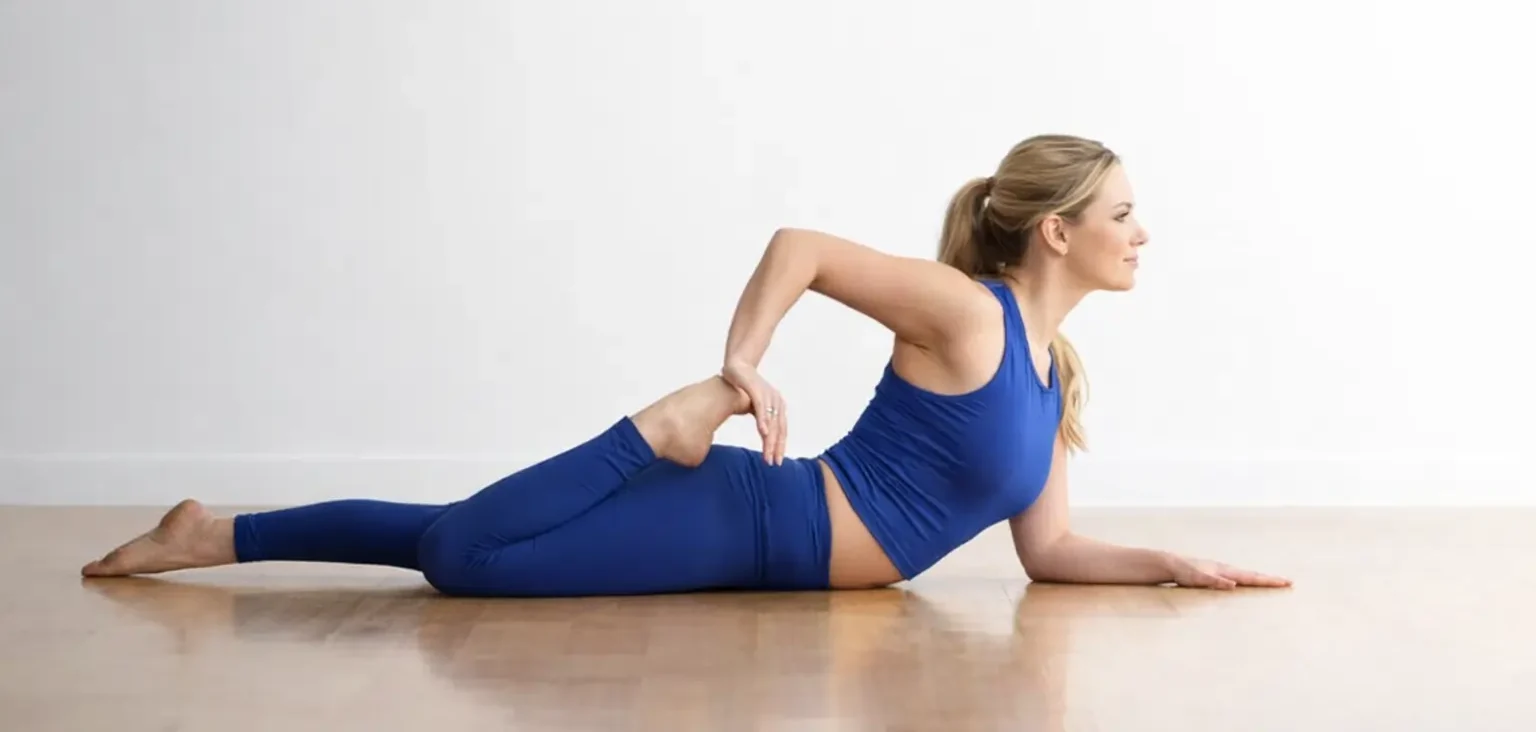
Supported Frog Pose:
This pose is a safe and comfortable variation of the frog pose, which is best for beginners and those who experience tightness in their hips or knees. Props like cushions, pillows, or folded blankets are used in this pose to give the body the support it needs and reduce the risk of overstretching. The Supported Frog Pose gently opens the hips, stretches the inner thighs, and deeply relaxes both the body and mind.
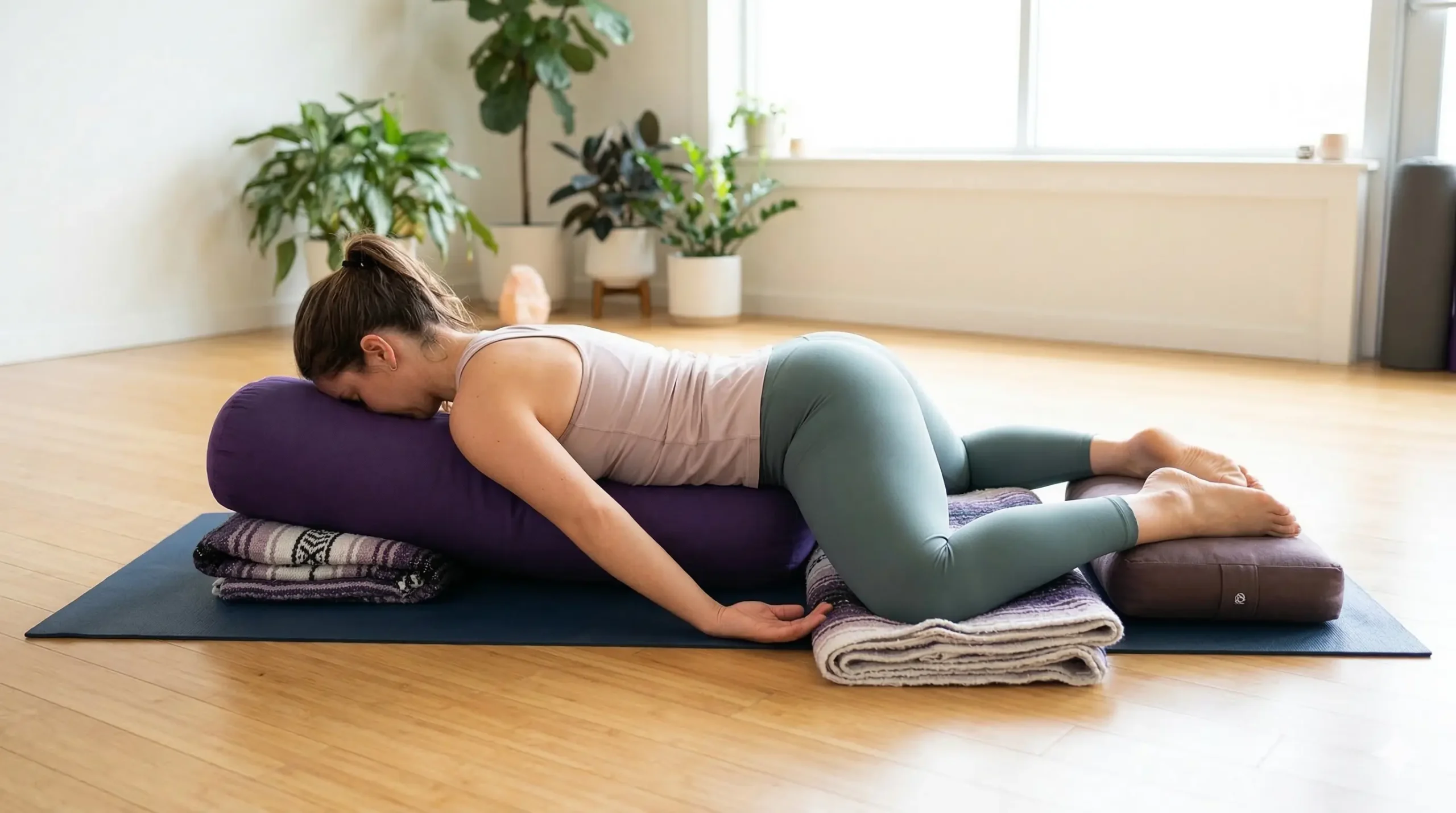
Narrow Frog Pose:
This is an easy and gentle variation of the Frog Pose, which is perfect for beginners. In this pose, instead of opening the knees very wide, they are opened only slightly, which provides a mild stretch to the hips and inner thighs without putting too much pressure on them. The Frog Pose gradually reduces tightness in the hips, keeps the knees safe, and prepares the body for the full Frog Pose.
Advanced Variations of Frog Pose (Mandukasana)
Wide Frog Pose:
Wide Frog Pose is an advanced form of Frog Pose where the hips, inner thighs, and groin are deeply stretched by opening the knees much wider. This pose is for people who have good hip flexibility and practice yoga regularly. The Wide Frog Pose deeply releases stiffness in the hips, increases circulation in the pelvic area, and helps in mastering the full Frog Pose.
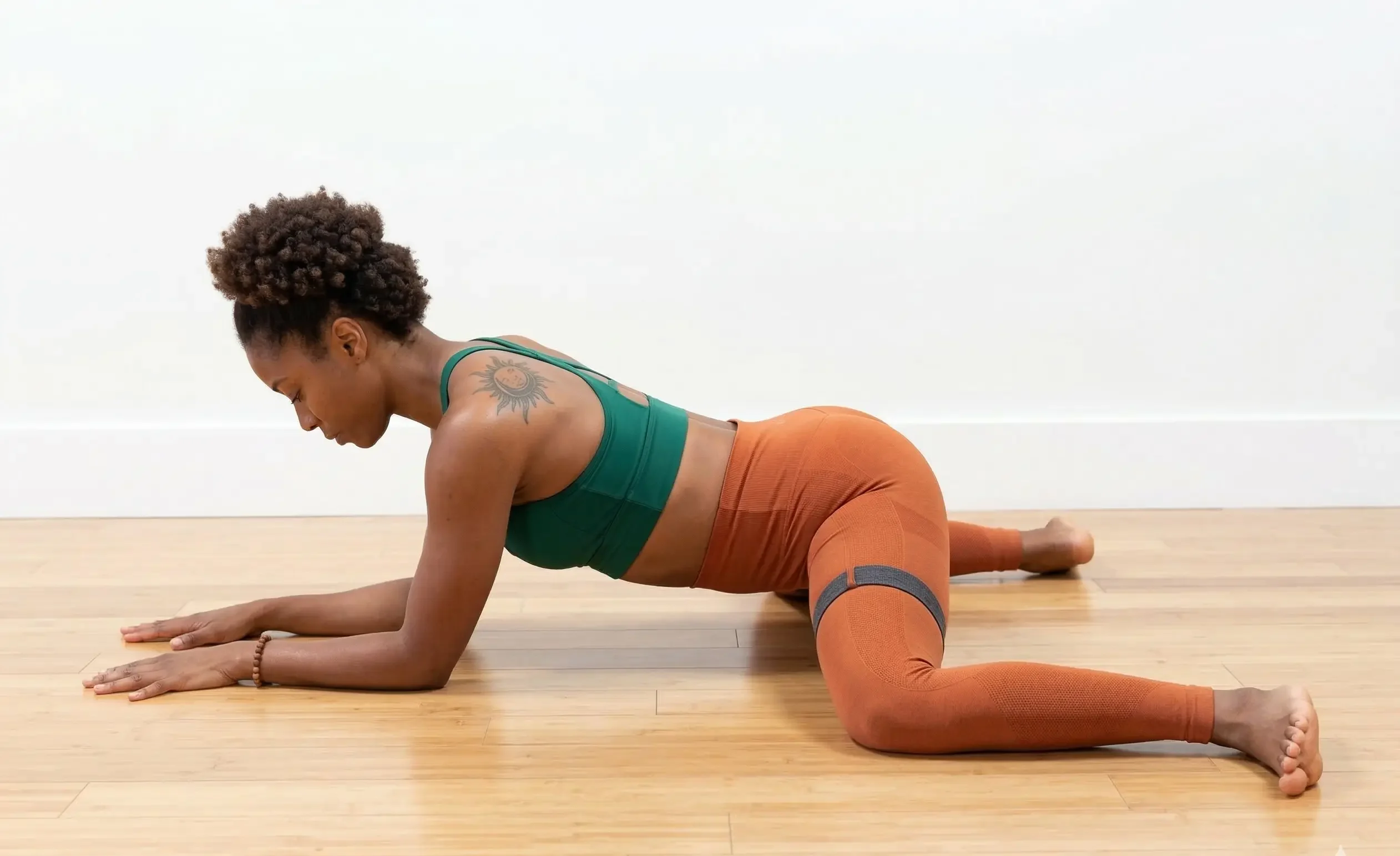
Yin Frog Pose
Yin Frog Pose is a Yin Yoga variation of Frog Pose in which the pose is held for an extended duration (2–5 minutes). This pose focuses more on the deep connective tissues, hips, and groin than on the muscles. It calms both the body and the mind. The Yin Frog Pose releases deep stiffness in the hips, reduces emotional tension, and gradually improves flexibility. Beginners should always practice this pose with support and without forcing the stretch.
Flat Frog Pose:
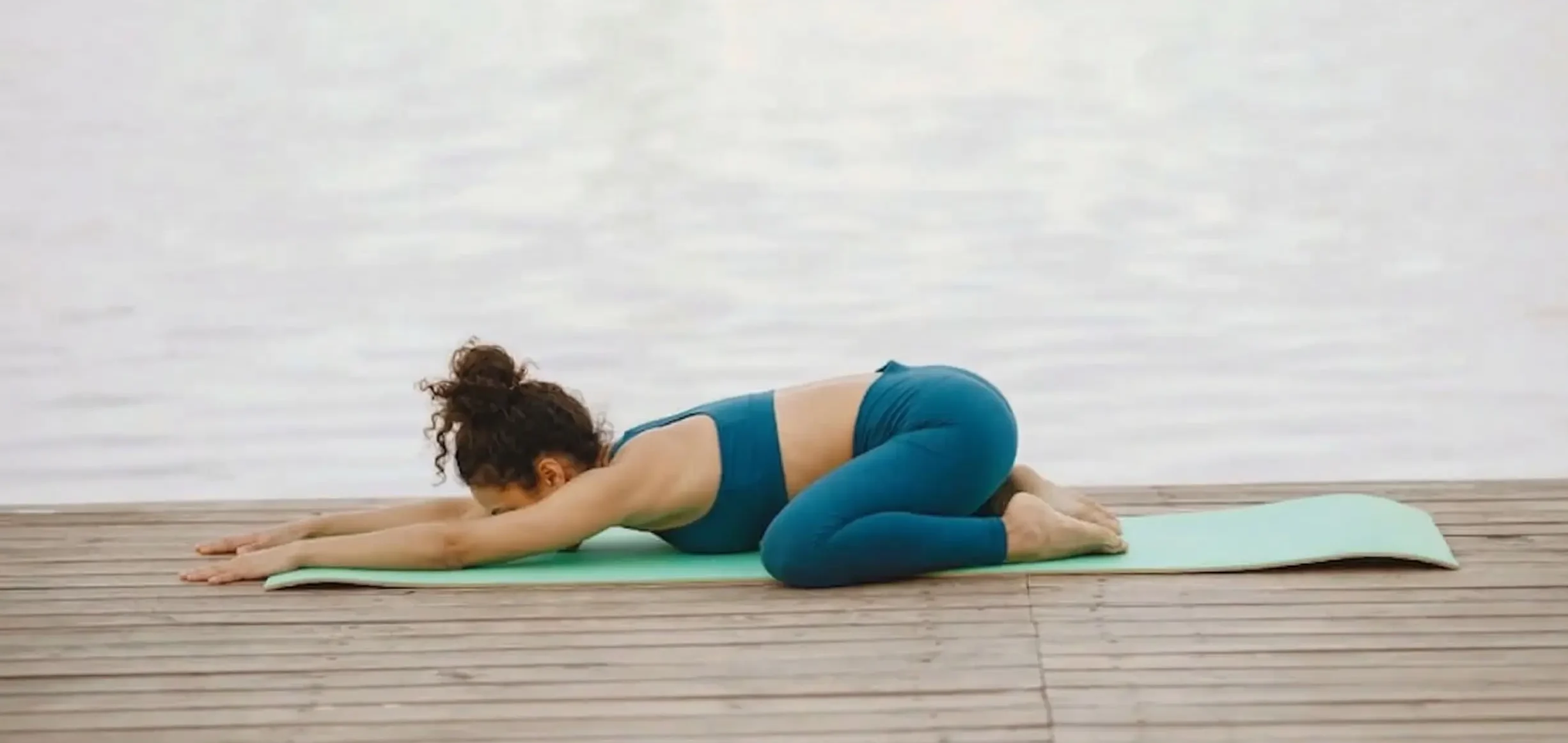
A more complex and profound version of Frog Pose is Flat Frog Pose. In this pose, both the hips and chest are brought as close to the ground as possible. This gives the groin, inner thighs, and hips a great stretch. The Flat Frog Pose provides a deep hip opening and helps in mastering the full Frog Pose. Only people who regularly practice yoga and have good hip flexibility are advised to attempt this pose.
Best Time and Duration to Practice Frog Pose (Mandukasana):
Best Time
The best time to perform this pose is in the morning, when your stomach is empty. If it is not possible, then perform it in the evening, but 4 or 5 hours after your last meal. And the evening is a more suitable time for the Yin Frog Pose because the body is naturally in a relaxed mode.
Duration
For beginners, holding the frog pose for 20-30 seconds is enough. With regular practice, the duration of the pose can be increased to 45–90 seconds. In the case of the Yin Frog Pose, the pose can be held for 2 to 5 minutes without pressure and while breathing. If you feel any discomfort while holding the pose, come out of the pose.
Conclusion:
Frog Pose (Mandukasana) is a powerful and deeply relaxing yoga posture that effectively opens the hips, inner thighs, groin, and pelvic area. Regular practice of this asana improves the body’s flexibility and mobility and also provides relief from stiffness and pain caused by prolonged sitting. Mandukasana (Frog Pose) helps to improve blood circulation and can help to relieve problems associated with menstruation.
This posture must be performed with proper alignment and awareness. Beginners can make variations and use props according to their comfort without putting pressure on their bodies. Frog posture can be done in the morning after an empty stomach or in the evening after a gap from the last meal. If you have problems in your knees, hips, or back, then this posture should not be done or should be done under the guidance of an expert yoga teacher. Who Should Avoid Mandukasana
Mira Yogashala
Mira Yogashala is a well-known yoga center dedicated to promoting traditional yoga practices in Rishikesh. It is the place where beginners as well as experienced practitioners can deepen their understanding of yoga. Mira Yogashala provides various facilities to students during its yoga courses to ensure a comfortable and supportive learning environment. They offer various yoga courses like