
What is Shavasana (Corpse Pose)?
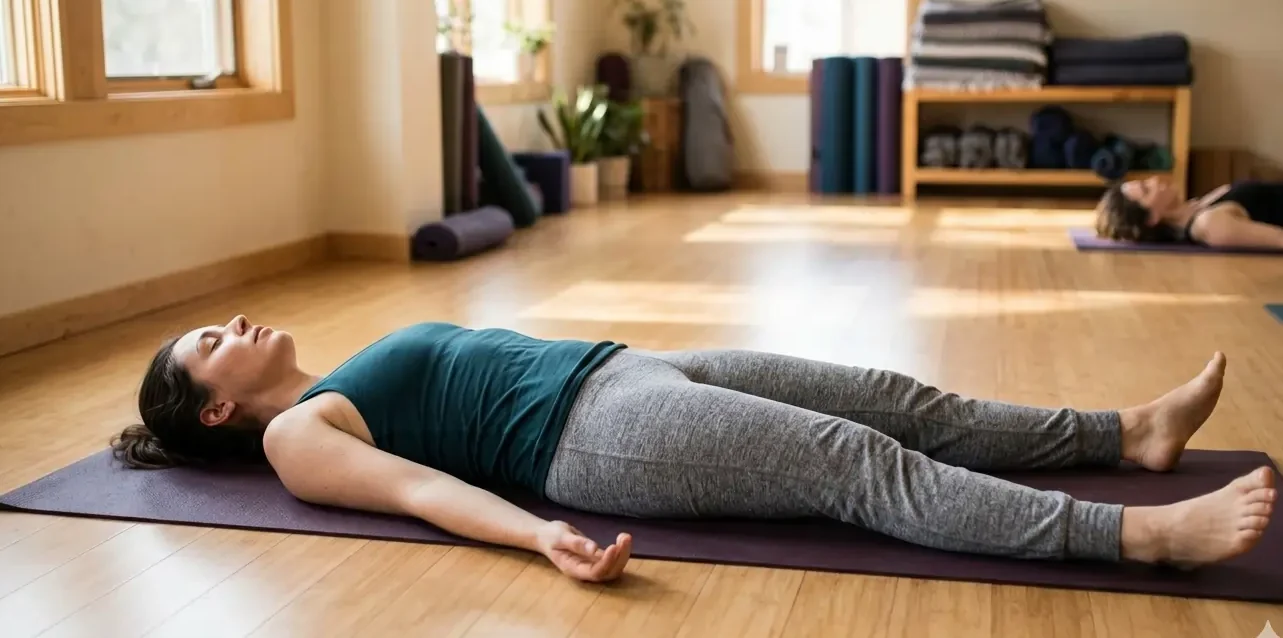
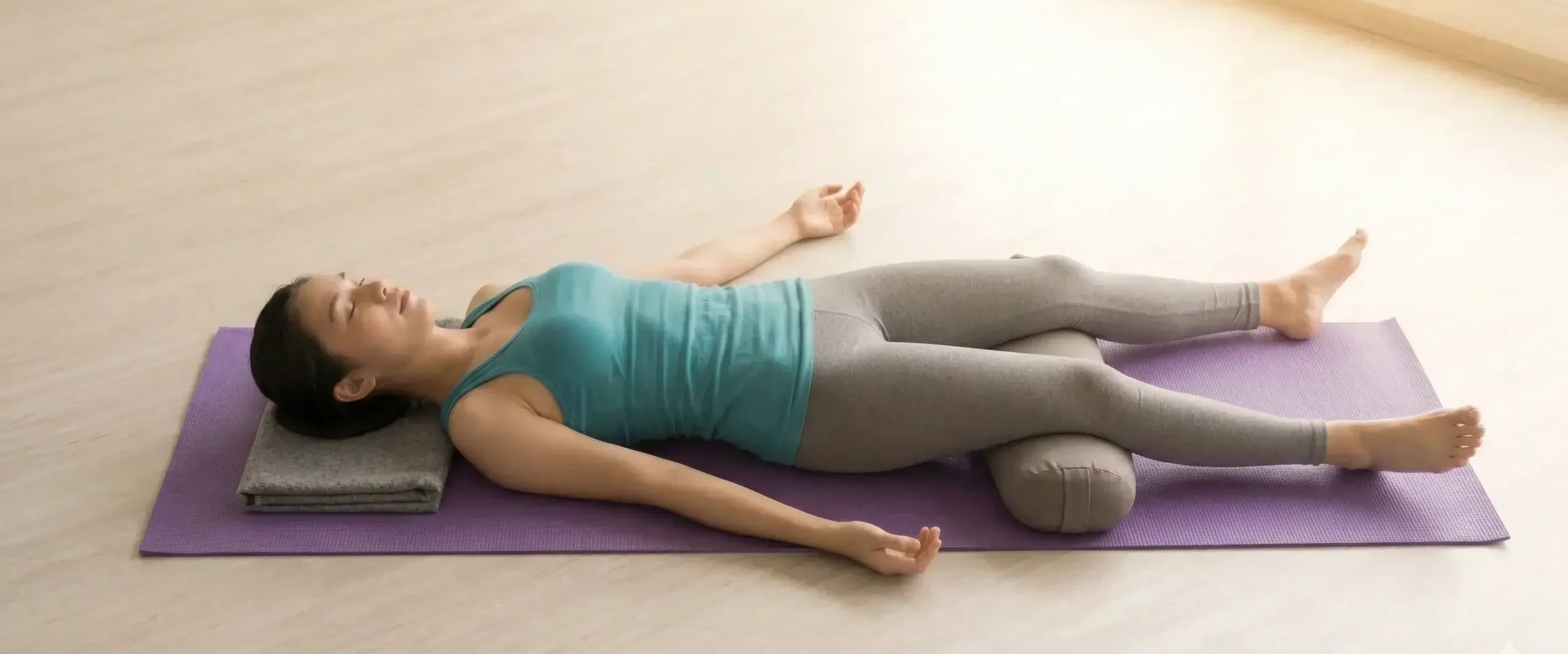
Shavasana is an important and relaxing yoga posture, which is called Corpse Pose in English. In Sanskrit, “Shava” means dead body and “Asana” means sitting or lying position. In this asana, the person lies straight on his back and leaves the entire body completely loose, which gives deep relaxation to the body and mind. Shavasana is considered very important to do at the end of yoga asanas because it reduces body fatigue and balances the benefits of all the asanas done during the practice.
Regular practice of Savasana is quite beneficial in reducing stress, anxiety, and fatigue. This asana helps in relaxing the nerves and relaxing the body to a great extent. Hence, yoga experts and yoga instructors always suggest practicing Shavasana at the end of each yoga session. Although corpse pose is quite simple in appearance, when practiced correctly, it is quite beneficial for the body and mind.
How to Do Shavasana Step by Step
- First of all, lie down in a straight position on your back on the yoga mat and keep your body in a comfortable position.
- Keep your feet slightly apart.
- Keep your hands slightly away from the body and keep your palms open upwards.
- Gently close your eyes and keep your whole body relaxed.
- Breathe normally and keep your attention fixed on your breathing.
- Keep your body in this position for 5 to 10 minutes in a calm and steady state.
- To come out of this asana, move your arms and legs slowly, turn over, and then sit down slowly.
Health Benefits of Shavasana
- Shavasana is a simple & very effective yoga sleeping pose, which gives deep relaxation to both body and mind.
- Savasana reduces stress and anxiety by soothing the mind and relaxing the nervous system.
- This asana is useful for improving meditation and concentration.
- Doing Shavasana at the end of yoga practice reduces body fatigue and muscle tension.
- Regular practice can improve sleep quality and reduce insomnia.
- Corpse pose helps improve blood circulation, which gives the body more energy.
- This asana develops better balance and awareness between the body and mind.
Precautions to Take While Practicing Shavasana Yoga Pose
- Always do Shavasana on a flat and clean place so that the body gets complete support.
- If there is pain in the waist or back, you can place a small pillow or towel under the waist.
- While doing Shavasana, do not try to keep the body stable forcefully; rather, leave it loose naturally.
- Keep your breathing normal and slow; do not try to stop it.
- If you start to feel sleepy during practice, focus your attention on your breathing so you can remain fully aware.
- While practicing in a cool place, you can cover your body with a light blanket in such a way that your body is comfortable.
Best Time to Practice Corpse Pose
- At the end of yoga practice: The best time to practice Shavasana is at the end of yoga practice, as it helps in relaxing the body and harmonizing all the asanas performed in yoga.
- In the morning: Practicing Shavasana after practicing yoga in the morning makes your body and mind feel relaxed and energized for the whole day.
- In the evening: Corpse pose can be performed in the evening to reduce the stress of the day.
- When stressed or tired: Whenever the body or mind feels very tired, doing Shavasana for a few minutes can provide instant relief.
Common Mistakes to Avoid in Shavasana Pose Yoga:
- Not relaxing the body: Many people keep their body stiff while doing the Savasana pose rather than relaxing the body.
- Rapid or irregular breathing: Breathing should be slow and normal in Shavasana.
- Keeping the feet and hands too close: The hands and feet should be slightly apart so that the body can remain comfortably loose.
- Letting the mind wander: While doing Shavasana, the focus should be on the breath or the peace of the body.
- Doing it for too little time: Many people finish Savasana quickly, whereas it should be done for at least 5–10 minutes.
- Practicing in the wrong place: Doing Shavasana in a very noisy or uncomfortable place does not provide complete relaxation.
The Science Behind Corpse Pose and Better Sleep
Shavasana yoga pose is not only used for relaxing the body, but there are scientific reasons behind this pose as well, which can help you sleep in a better manner. When you perform Shavasana, your body goes into a relaxed state, because of which your parasympathetic nervous system starts functioning. Your parasympathetic nervous system is the one that helps in relaxing your body and reducing stress.
When your parasympathetic nervous system starts functioning, your heartbeat slows down, your muscles relax, and your mind gets relaxed as well. Because of this, the level of cortisol in your body starts reducing, which is a must for a sound sleep.
Also, when you perform Shavasana, you breathe deeply, which provides more oxygen to your body, relaxing your mind as well. Therefore, by performing Shavasana regularly, you can sleep faster.
Difference Between Shavasana and Yoga Nidra
Shavasana and Yoga Nidra are both yoga practices that provide deep peace to the body and mind, but their purpose and method of practice are different. Shavasana is a yoga posture in which a person lies straight on his back and relaxes the entire body. It is usually done at the end of the yoga practice in order to relieve the fatigue in the body and allow the body to reap the benefits of all the asanas.
Yoga Nidra, on the other hand, is a deep meditation and relaxation technique and is also known as ‘yogic sleep.’ Yoga Nidra is done in the position known as ‘Shavasana,’ but the focus is on meditation and mental awareness. The goal is to soothe the mind profoundly, thereby lessening mental strain.
In simple words, Shavasana is a yoga posture that provides physical relaxation, whereas Yoga Nidra is a process of deep meditation and mental relaxation. So yoga nidra is often done in the shavasana position, but the two are not the same thing.
Conclusion
Shavasana is a simple yet extremely effective yoga pose that gives immense peace and relaxation to the body and mind. This pose is generally practiced at the end of the yoga session in order to release body fatigue and gain the benefits of all the asanas practiced.
Practicing this pose regularly can help in reducing stress, anxiety, and mental fatigue. It helps in relaxing the body and calming the nervous system and the mind. It also helps in improving concentration and focus.
Other than this, from a scientific point of view as well, this pose can be effective in relaxing the body and improving sleep. It helps in reducing stress hormones in the body and improving mental peace. Hence, if practiced for a few minutes in your daily life, this pose can play a vital role in improving your physical health and lifestyle.
Join Mira Yogashala’s Yoga Courses today
Mira Yogashala is the well-known & trusted yoga school in Rishikesh. The school offers Yoga Alliance–certified teacher training courses (100, 200, 300, and 500 hours), along with short yoga retreats in Rishikesh. During these courses we provide every essential facility to the participants, like three times daily satvik meals, comfortable rooms (private or shared) according to your choice, and also organize free excursion trips without any extra charges to keep your mind fresh. We offer a range of courses designed for all levels: