What Are Meditation Techniques?
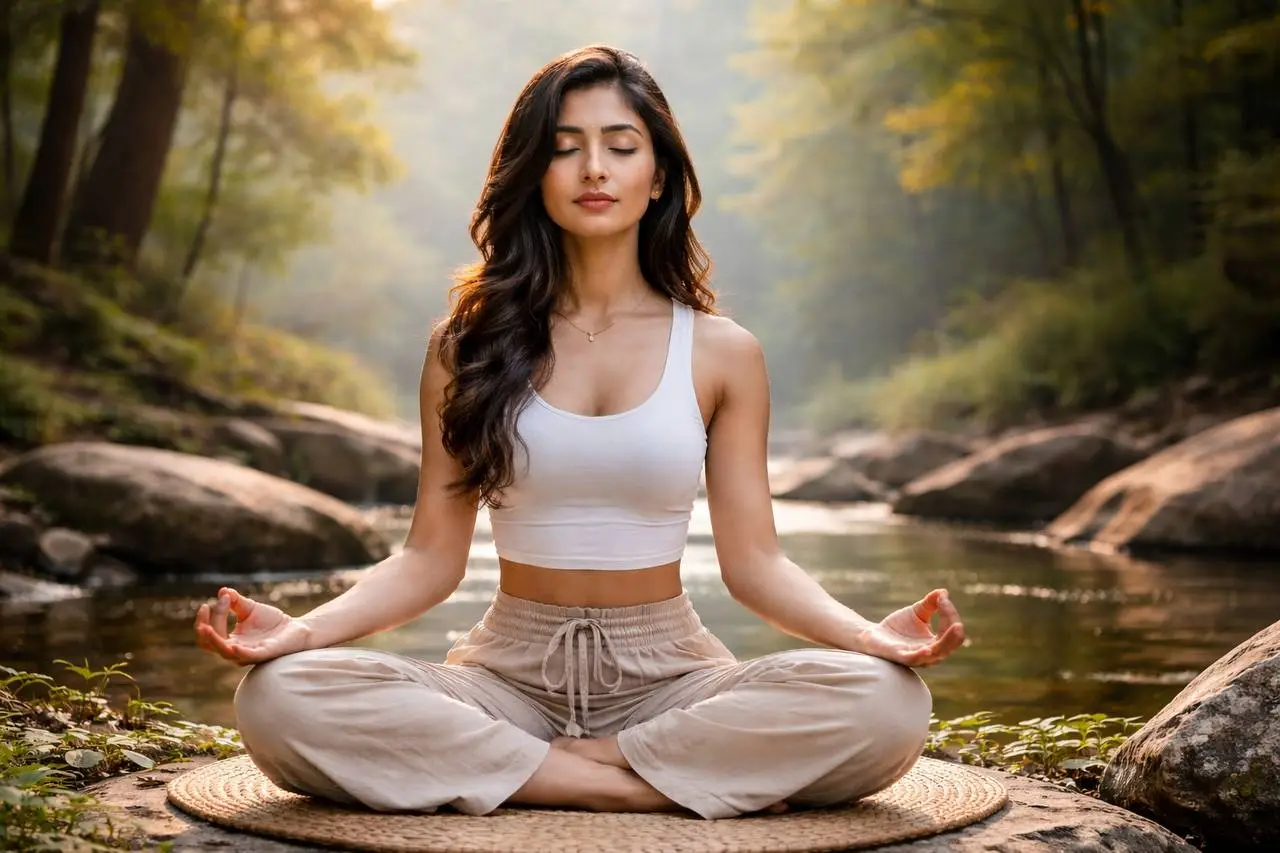
Meditation techniques are methods in which a person makes his mind calm, steady, and focused. In this, we concentrate on our breathing, a mantra, or a thought, due to which the unnecessary thoughts going on in the mind gradually start reducing. In today’s fast and stressful life, meditation techniques are considered very beneficial for both mind and body. Meditation has had special importance in India since ancient times. Especially places like Rishikesh are considered the land of meditation and yoga, where people come for mental and spiritual development.
When we meditate, we focus our attention on one thing, such as breathing, a mantra, or a positive thought. Gradually this practice helps in controlling the mind and distancing oneself from negative thoughts. Regular meditation reduces stress, increases concentration, and strengthens emotional balance. In today’s busy life, meditation is a simple solution that provides us mental peace, clear thinking, and positive energy.
Benefits of Meditation Techniques:
Meditation is a simple yet powerful practice that has a profound positive effect on the body, mind, and emotions. Its main advantages are as follows:
Physical Benefits of Meditation Techniques:
- Regular practice of meditation techniques reduces stress, which gradually balances high blood pressure and reduces the pressure on the heart.
- Meditation calms the mind, which reduces the problem of insomnia and leads to deep sleep.
- By reducing stress, the body’s ability to fight diseases increases, and the chances of falling ill again and again are reduced.
- The process of deep breathing increases the amount of oxygen in the body, which reduces fatigue and keeps you fresh throughout the day.
- Regular practice relaxes the body, thereby relieving neck, shoulder, and back pain.
- Meditation helps maintain a normal heart rate and can reduce the risk of heart disease.
Mental and Emotional Benefits of Meditation Techniques:
- Meditation techniques increase the ability to control anger.
- Provides relief from anxiety and depression.
- Confidence increases.
- A positive attitude towards others is formed.
- Maintains stability even in difficult situations of life.
- Controls negative thoughts.
- Improves memory power.
Types of Meditation Techniques:
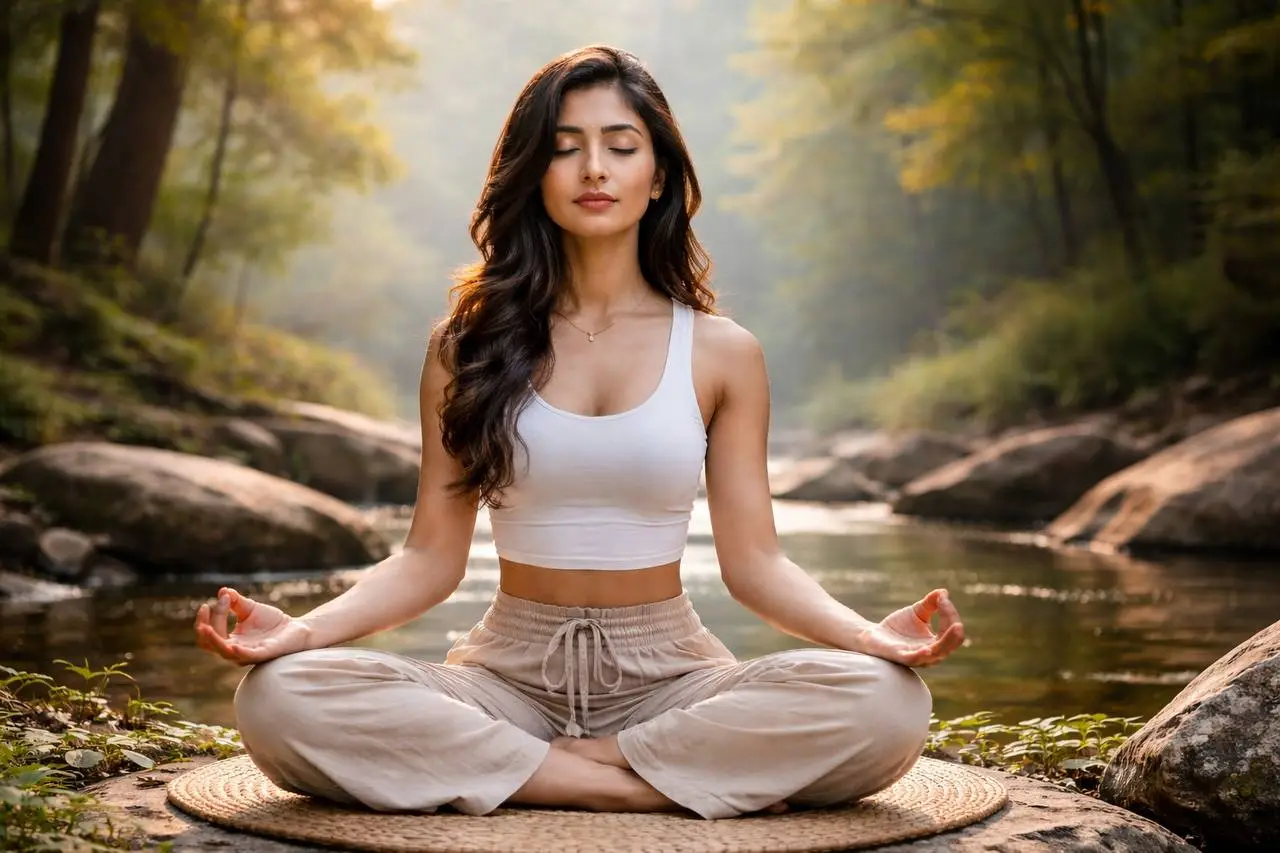
1. Mindfulness Meditation:
Mindfulness meditation is a meditation technique in which a person focuses on the present moment with full awareness. Its main purpose is to be in the present and calmly notice your thoughts, feelings, and physical experiences without judgment. In this practice, the practitioner sits quietly, concentrates on his breathing, and gently brings his thoughts back to the present moment whenever they stray. Many practitioners find mindfulness meditation very effective in reducing stress and anxiety. With its regular practice, a person is able to understand his reactions better and can face the situations of life with a calm mind. This practice is simple, and positive results can be achieved by doing it for 10–15 minutes daily.
2. Guided Meditation:
Guided meditation is an effective and easy meditation technique, especially for those who are just starting out. In this process, a trained teacher, audio recording, or app guides you through meditation step-by-step. In this, instead of sitting alone in silence, you follow someone’s voice, which helps you relax, concentrate on your breathing, or focus on some positive visualization. This type of meditation is very helpful for beginners because there is less chance of getting confused. The guide tells you when to do deep breathing, when to relax your body, and how to let go of negative thoughts.
Guided meditation reduces stress, controls anxiety, and improves emotional balance. You can do this through mobile apps, YouTube videos, or yoga classes. Practicing for 10–20 minutes daily makes you feel calm and fresh.
3. Mantra Meditation:
Mantra meditation is a meditation technique in which a person repeats a single word, sentence, or sound (mantra) over and over again. This mantra is repeated in the mind or in a low voice, due to which the mind gets focused on one thing and unnecessary thoughts gradually start reducing. The most common mantra in this meditation is considered to be “Om,” but people can also choose the mantra according to their choice or religious belief. Regular repetition of the mantra calms the mind, increases concentration, and improves emotional balance
How to do Mantra Meditation:
- Sit upright in a quiet place.
- Close your eyes and breathe normally.
- Repeat your chosen mantra slowly.
- Practice for 10-15 minutes.
Meditation Techniques for Beginners:
There are many simple and effective ways to meditate. You can choose any of these techniques according to your convenience and objectives.
Breathing Meditation Technique:
Breathing meditation (Swaas Dhyaan) is a simple and powerful meditation technique in which a person focuses on their breath. It requires no mantra or special music—you just have to focus on your natural breathing. When we observe our breath, the mind gradually becomes calm, and useless thoughts reduce.
How to do Breathing Meditation:
To practice breathing meditation, first sit upright in a calm and comfortable place. Keep your spine straight and close your eyes. Now start paying attention to your breath—feel the breath going in and then coming out. If your mind starts wandering or any thoughts come to your mind, then without getting worried, bring your attention back to your breathing. Continue this process quietly for about 10–15 minutes. Gradually, your mind will calm down, and you will feel relaxed from within.
Body Scan
Body scan meditation is a mindfulness technique in which a person slowly pays attention to each part of their body. Its purpose is to observe sensations in the body (such as mild pain, tenderness, warmth, or coldness) without judging them. With this practice we are able to deepen the connection between our body and mind.
How to do Body Scan Meditation:
In this meditation, you usually start by lying down or sitting in a comfortable position. Close your eyes and first focus on your breath, then begin with your feet and slowly move your attention up to your knees, abdomen, chest, shoulders, and head. Spend a few seconds feeling each part of your body and try to release any tension.
Mantra Chanting:
Mantra meditation is a meditation technique in which a person repeats a single word, sentence, or sound (mantra) over and over again. This mantra is repeated in the mind or in a low voice, due to which the mind gets focused on one thing and unnecessary thoughts gradually start reducing. The most common mantra in this meditation is considered to be “Om,” but people can also choose the mantra according to their choice or religious belief. Regular repetition of the mantra calms the mind, increases concentration, and improves emotional balance
How to do Mantra Chanting Meditation:
- Sit upright in a quiet place.
- Close your eyes and breathe normally.
- Repeat your chosen mantra slowly.
- Practice for 10-15 minutes.
Visualization:
Visualization meditation is a technique in which you imagine a calming and serene environment in your mind. Its purpose is to calm the mind, reduce stress, and cultivate positive energy. In this meditation, you close your eyes and imagine a beautiful place—such as a beach, a mountain view, or a sunrise. You not only see it, but you also feel that place: the coolness of the breeze, the sound of the water, and the rays of sunlight. The more clearly you visualize, the calmer your mind will be.
How to do Visualization:
Sit in a quiet place, close your eyes, take a deep breath, and imagine a positive scene of your choice. Focus on that scene for 10–15 minutes.
About Mira Yogashala:
At Mira Yogashala, meditation techniques are practiced in a peaceful and sacred environment under the supervision of experienced teachers. Each session focuses on meditation, correct breathing techniques, and mindfulness. Our experienced gurus provide personal guidance to students, helping them understand and apply meditation in their lives. This leads to experiences of physical peace, mental clarity, and inner balance. Mira Yogashala also provides all essential facilities like three times satvik meals, food and accommodation, and rooms (private or shared) based on the participant’s choice. This yoga school offers you a variety of courses, like
- 100 Hour Yoga Teacher Training in Rishikesh
- 200 Hour Yoga Teacher Training in Rishikesh
- 300 Hour Yoga Teacher Training in Rishikesh
- 500 Hour Yoga Teacher Training in Rishikesh
Best Time and Duration to Practice Meditation Techniques:
Best Time
You should practice meditation techniques in the morning, as the air is fresh and there is less noise, and the atmosphere naturally calms. Morning meditation helps keep you positive and focused throughout the day. If it’s not possible in the morning, you can do it in the evening. Meditation in the evening reduces stress and calms the mind. If you don’t have time during the day, you can meditate for 10–15 minutes at night before bed. This calms the mind and promotes deeper sleep.
Duration
Talking about the duration, beginners can start with 5–10 minutes. Gradually the practice can be increased to 15–20 minutes. Regularity is more important than duration. Even a short period of daily meditation can yield profound and positive results in the long run.
Tips to maintain regular meditation practice:
To maintain regularity in meditation techniques, first decide on a fixed time, like after waking up in the morning or before sleeping. Start with a small time duration, like 5–10 minutes, to build a habit. Setting a mobile reminder is also helpful. Don’t put too much pressure on yourself; don’t get discouraged if you miss a day; start again the next day. Don’t take meditation as a burden, but as “me time.” If you meditate regularly, it will slowly turn into a daily habit.
Conclusion:
Meditation techniques are a simple and highly effective practice that has a positive impact on our body, mind, and emotions. In today’s fast-paced and stressful lifestyle, meditation has become a powerful way to balance mental peace, concentration, and balance. Regular practice of meditation techniques not only reduces stress but also increases self-confidence, fosters positive thinking, and helps us face life’s challenging situations with a calm mind.
Whether it is breathing meditation, mantra meditation, body scan, or visualization, every technique aims to make the mind still and calm. You don’t need a special place or a lot of time for meditation—just consistency and the right mindset. If you set aside even a few minutes each day for meditation, its deep and lasting benefits will gradually begin to show. So don’t think of meditation techniques as a burden; think of them as “me time.” Make them a part of your daily routine and move towards a healthy, calm, and balanced life.