What is Kapalbhati Pranayama?
Kapalbhati is a powerful yogic breathing technique known as Kapalbhati Pranayama. The ancient yogic text Hatha Yoga Pradipika mentions Kapalbhati Pranayama. “Kapal” means forehead or brain, and “Bhati” means shine or light. That is, Kapalbhati is that activity that makes the brain sharp and pure. This pranayama is mainly based on rapid and active exhalation, while inhalation occurs naturally. In yoga, it is also considered a purification process (Shatkarma) because it helps in removing toxic elements from the body.
Performing Kapalbhati regularly improves your internal organs and keeps your body and mind functioning how they should. Practicing Kapalbhati has been shown to address a majority of issues people face due to the fast-paced modern lifestyle, including stress, obesity, poor lung health, etc. Therefore, experts highly recommend practicing this pranayama in the morning while you are in a quiet environment and on an empty stomach. With the right method and regular practice, a person can move towards a physically, mentally, and spiritually balanced life.
Origin and History of kapalbhati
Kapalbhati Pranayama originated in the ancient Indian yoga tradition. Its main mention is found in Hatha Yoga Pradipika, written by Yogi Swatmarama in the 15th century. The text includes Kapalabhati under “Shatkarma,” the six purification practices that cleanse the body. In Sanskrit, “kapal” means forehead and “bhati” means brightness—meaning this practice is believed to purify and illuminate the brain.
In ancient times, sages and saints used to do this for physical and mental purification. It became an important purification technique in the medieval Hatha Yoga tradition. Then in modern times, yoga teachers brought it into popularity for health maintenance and improved airflow. Today, Kapalbhati is a key component of traditional yoga and is widely used all over the globe.
Kapalbhati Benefits for Health
According to the Hatha Yoga Pradipika, Kapalbhati Pranayama is a powerful way of breathing that can positively affect the body and mind through regular practice. Some of the advantages of Kapalbhati Pranayama are
1. Strengthens the digestive system
Rapid breathing activates the abdominal muscles, which helps relieve gas, constipation, and indigestion. It also boosts metabolism.
2. Helps in Weight Loss
By doing Kapalbhati Pranayama regularly, you can control your belly fat and obesity by utilizing energy (through calories) from your body.
3. Increases lung capacity
Kapalbhati Pranayama strengthens the muscles that support your lungs and also increases the amount of oxygen in your body, which will keep your lungs healthy.
4. Decreased Stress Levels
Practicing Kapalbhati Pranayama on a regular basis will help reduce anxiety, improve focus, and provide restrictions on your mind by creating a calm state of mind.
5. Body Purification
It also helps remove toxins from the body and improves blood circulation.
How to Do Kapalbhati Pranayama Step by Step
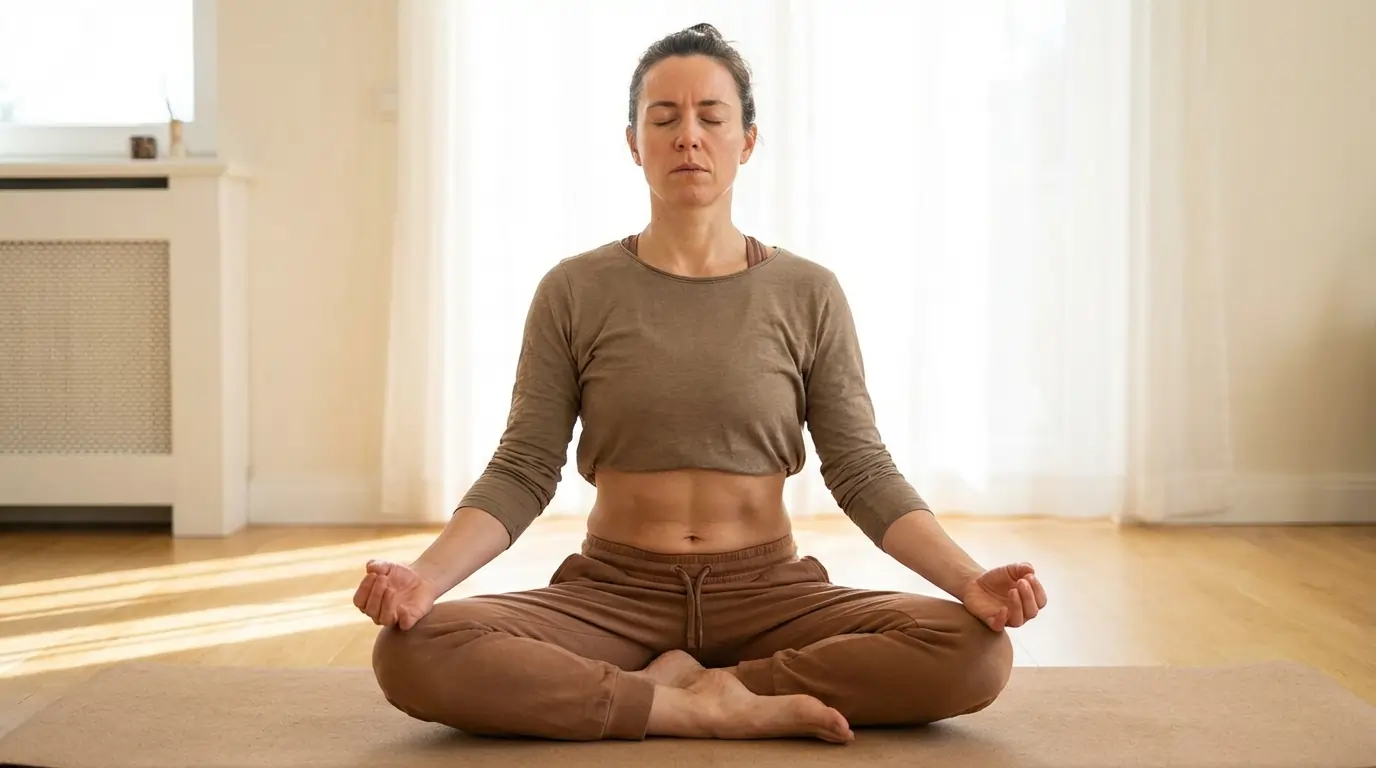
Step 1. Choose the right location.
Choose a quiet, clean, and well-ventilated area. It’s best to do this in the morning on an empty stomach.
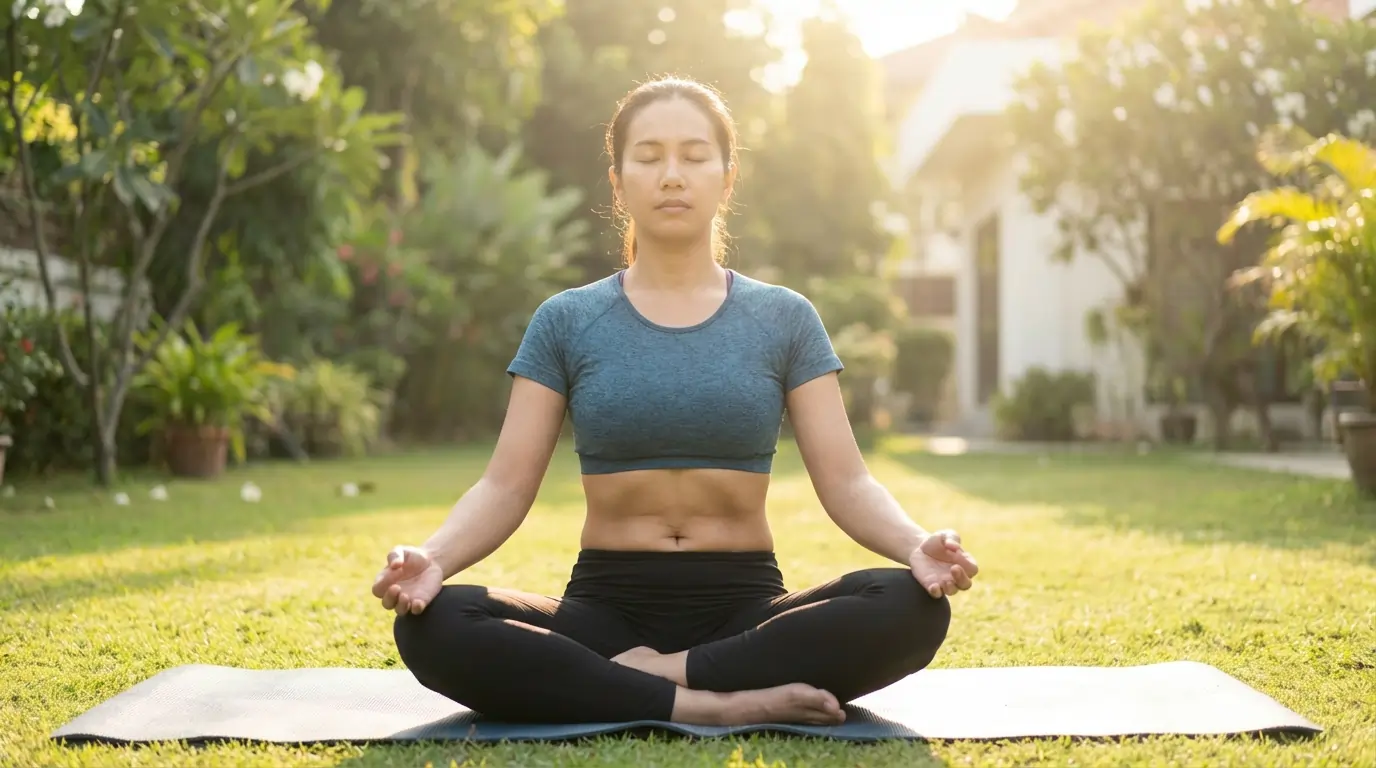
Step 2. Sit in Sukhasana or Padmasana.
Keep your spine straight. Place your hands on your knees in Gyan Mudra. Close your eyes.
Step 3. Breathe deeply
Take a normal, deep breath in through your nose.
Step 4. Exhale sharply.
Exhale forcefully through your nose. Pull your stomach in.
(Note: Make sure the breathing is natural; apply the force only as exhaling.)
Step 5. Repeat continuously.
Complete 20 to 30 repetitions of this exercise every round, doing 2 to 3 rounds initially.
Step 6. Finally, relax
After the practice of kapalbhati pranayama, breathe normally and sit quietly for a few minutes.
Precautions of Kapalbhati Pranayama
The following precautions should be taken while performing Kapalbhati Pranayama:
- Practice on an empty stomach – at least 3–4 hours after a meal or after a morning bowel movement. Performing on a full stomach may cause stomach pain or discomfort.
- Caution if you have high blood pressure or heart disease – Rapid breathing can increase blood pressure, so consult a doctor first.
- Don’t do this during pregnancy – it puts pressure on the stomach, which can be harmful.
- Do not do this if you have a hernia, a slipped disk, or have had recent abdominal surgery.
- Practice slowly at first. Use 20-30 slow repetitions to start, and increase progressively over time.
- Don’t continue if you feel dizzy, have a headache, feel anxious, or have pain in your chest.
- Keep your body in proper position by keeping your spine straight and your body stable (there should be no pain in your back or neck).
- Children and the elderly should do it under guidance
When to Practice Kapalbhati
The Kapalbhati Pranayama (as described in the Hatha Yoga Pradipika) should be performed in the correct sequence during a yoga session.
Correct sequence during yoga:
- Do a light warm-up or asanas first – to balance and warm up the body
- Then perform Kapalbhati – When the body is ready and the stomach is empty.
- Then do other pranayama exercises – like Anulom-Vilom, Bhramari, etc.
- Meditate at the end– This will help keep your mind calm and focused.
Keep in mind
- Do not perform Kapalbhati at the very end, when you are tired.
- Never do it immediately after a meal.
Best Time to Practice Kapalbhati Pranayama
1. Morning Brahma Muhurta (best time)
- Before or at sunrise.
- The stomach is empty, and the mind is calm.
- The lungs benefit more from the pure air.
2. Evening (optional)
- If morning isn’t possible, you can do it in the evening, 4–5 hours after your meal.
- Ensure your stomach is empty.
How long should you do Kapalbhati Pranayama?
- Start: 5 minutes
- Gradually: Increase to 10–15 minutes.
Things to keep in mind
- Don’t do it immediately after a meal.
- Make it a habit to do it at the same time every day.
- Choose a quiet and well-ventilated place.
About Mira Yogashala:
If you want to gain a deep knowledge of yoga, then Mira Yogashala is one of the best yoga schools in Rishikesh. We offer various yoga courses. During these courses, we provide every essential facility for the participants, like three times satvik meals daily, room and accommodation. We also organize excursion trips without paying any extra charges. After completing these courses, we also provide a certificate affiliated with Yoga Alliance USA. Join our certified yoga courses:
- 100 Hour Yoga Teacher Training in Rishikesh
- 200 Hour Yoga Teacher Training in Rishikesh
- 300 Hour Yoga Teacher Training in Rishikesh
- 500 Hour Yoga Teacher Training in Rishikesh
Conclusion:
Kapalbhati Pranayama is an effective and purifying breathing exercise. Its regular practice strengthens the lungs, helps in removing toxins from the body, and increases mental clarity. It helps in staying active throughout the day by increasing the energy level and also improves concentration and confidence.
However, it is very important to be careful and follow the correct method while doing this. If you have high blood pressure, heart disease, pregnancy, a hernia, a slipped disc, or recent surgery, do not practice it without medical advice. The practice should always be done on an empty stomach, in a quiet, well-ventilated area. Start slowly with 20–30 repetitions and increase the duration over time.
In a yoga session, it is considered appropriate to do it after warm-up or asanas and before other pranayamas. Finally, meditation helps to stabilize the mind. With regular and safe practice, Kapalbhati can promote a healthy, energetic, and positive lifestyle.